Best Wood Stoves for Off-Grid Cabins in 2026: Buyer Guide
A wood stove is the one appliance in an off-grid home that needs no fuel delivery, no electricity, and no moving parts. Chosen correctly it heats the house, cooks food, dries clothing, and heats water. Chosen badly it either bakes you out of the room or never gets the far end of the house above 55 degrees.
This guide covers how to choose, not which single model to buy, because the right stove depends almost entirely on your square footage, climate, and whether you intend to cook on it.
Sizing: The Mistake Almost Everyone Makes
People buy stoves that are too big. An oversized stove cannot be run at a low output efficiently, so you end up damping it down, which produces smoldering, incomplete combustion, creosote buildup, and a glass door that turns black within an hour.
A correctly sized stove runs hot and clean most of the time. That is the goal.
Rough guidance for a reasonably insulated cabin in a cold climate:
- Under 800 sq ft: small stove, roughly 1.0–1.5 cu ft firebox, 25,000–40,000 BTU
- 800–1,500 sq ft: medium stove, 1.5–2.5 cu ft firebox, 40,000–60,000 BTU
- 1,500–2,500 sq ft: large stove, 2.5–3.5 cu ft firebox, 60,000–80,000 BTU
Adjust downward for a tight, well-insulated modern build and upward for a drafty older structure or an open cathedral ceiling. Manufacturer square-footage claims are optimistic marketing based on ideal conditions — assume roughly 70% of the stated figure in real use.
Firebox volume is the number that matters most, because it determines burn time. A 2.0 cu ft firebox gives a realistic 6 to 8 hour burn with hardwood. Below about 1.5 cu ft you are reloading through the night.
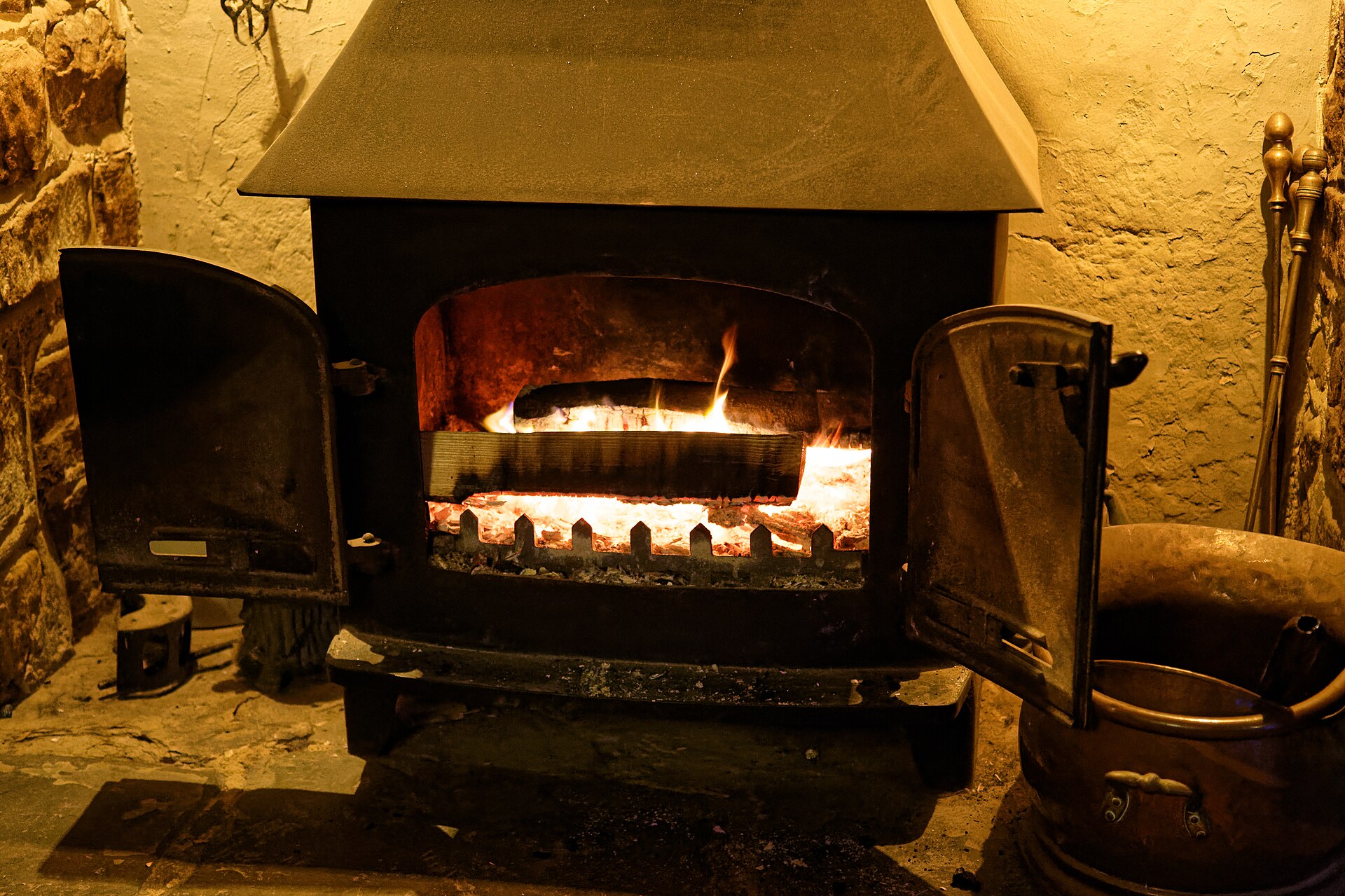
The Four Categories Worth Considering
1. Small Cabin and Marine Stoves
Compact stoves in the 1.0–1.5 cu ft range, typically 25,000–40,000 BTU, designed for tiny homes, cabins under 800 sq ft, and boats. Many have a flat top suitable for a kettle and one pot.
Good for: small spaces where a full-size stove would be unbearable. Limitation: short burn times, usually 4 to 6 hours, meaning a cold house by morning.
2. Modern EPA-Certified Medium Stoves
This is the sweet spot for most off-grid cabins. Current EPA 2020-compliant stoves use secondary combustion or catalytic systems to burn the smoke itself, which typically delivers 70–80% efficiency against roughly 50–60% for an old uncertified stove.
The practical result is less wood cut and split for the same heat, less creosote, and a glass door that stays clear.
Catalytic stoves hold low, steady output for long burns and are excellent for overnight heating, but the combustor is a consumable that needs replacing roughly every 6 to 10 years and requires attention to operating procedure.
Non-catalytic stoves are simpler, have nothing to replace, and are more forgiving of user error, at the cost of slightly shorter low-output burns. For most off-grid users who value simplicity and repairability, non-catalytic is the better choice.
3. Cook Stoves
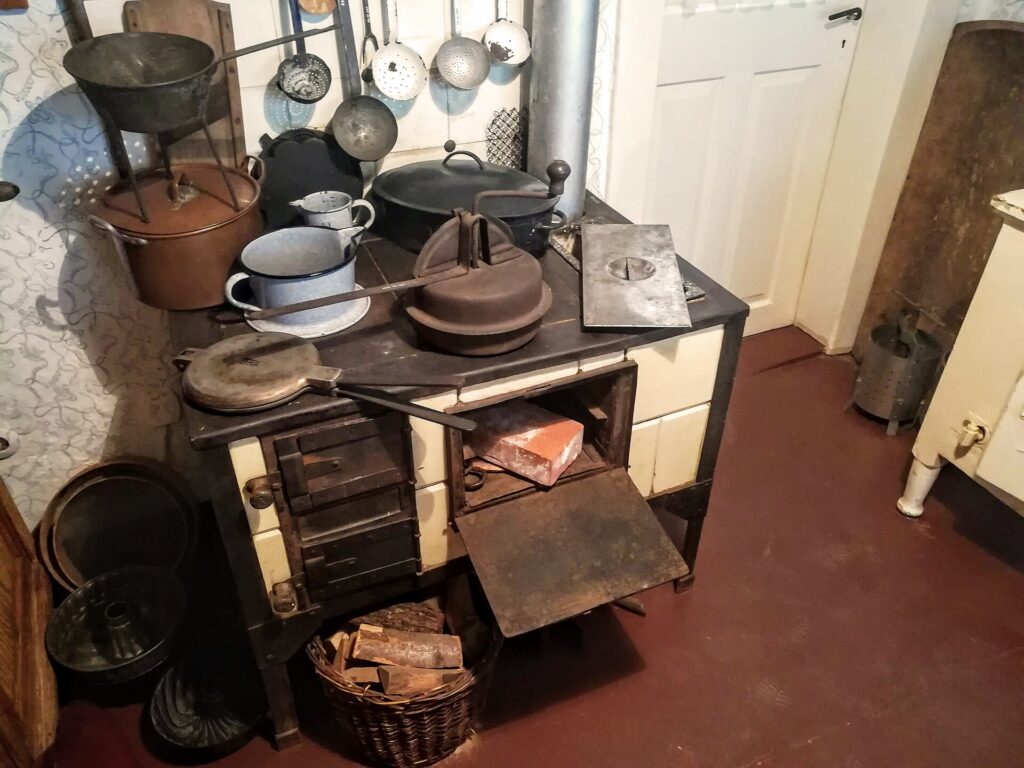
A dedicated wood cook stove has an oven, a multi-zone cooking surface, and frequently an integrated water reservoir or domestic hot water coil. For serious off-grid living this is a genuine force multiplier: one fuel source handles heating, baking, cooking, and hot water.
Tradeoffs: cook stoves are expensive, usually $2,500–$6,000, heavy enough to require floor reinforcement, and they put out substantial heat whenever you bake, which is miserable in summer. Most cook stove owners keep a propane range for hot months.
4. Soapstone and Masonry-Clad Stoves
Soapstone absorbs heat during the burn and releases it slowly for hours after the fire dies. The result is a gentler, more even heat curve rather than a spike and crash.
Good for: well-insulated homes where you want steady warmth overnight. Limitation: slow to heat up from cold, which is frustrating in a weekend cabin you arrive at on Friday evening. Also heavy and expensive.
Features That Actually Matter Off-Grid
- A flat cook surface. Even if you are not buying a cook stove, a usable flat top means you can boil water and heat a pot during an outage. Stoves with decorative curved tops give this up for nothing.
- No electrical requirement. Avoid any stove that depends on a blower for rated performance. Convection and radiant heat work without power; a blower is a bonus, never a requirement.
- Ash pan. Emptying ash from a front door onto the floor gets old fast.
- Air wash system to keep the glass clear, which matters because seeing the fire is how you judge the burn.
- Top and rear flue options for installation flexibility.
- Replaceable firebrick and baffle. These wear out. A stove with available parts lasts 30 years; one from a defunct importer becomes scrap.
- Outside air kit compatibility for tight modern builds, which prevents the stove competing with you for oxygen and causing backdraft.
Installation and Clearances Are Not Optional
Most cabin fires involving wood stoves trace to improper clearances or chimney installation, not to the stove itself.
- Follow the manufacturer clearance specifications exactly. Typically 16 to 36 inches to combustibles, reducible with listed heat shields.
- Use a UL-listed double or triple-wall insulated chimney where it passes through ceilings, attics, and the roof. Single-wall stovepipe is for the room only.
- The chimney should extend at least 3 feet above the roof penetration and 2 feet above anything within 10 feet — the 3-2-10 rule. Inadequate chimney height is the most common cause of poor draft and smoky rooms.
- Use a non-combustible floor pad extending 16 inches in front of the door and 8 inches to the sides.
- Install carbon monoxide detectors. Battery-powered units work off-grid. This is non-negotiable.
Tell your insurer. An undisclosed wood stove installation can void a homeowner policy entirely, and many insurers require a WETT or equivalent certified inspection.
The Thing That Matters More Than the Stove
Dry wood. A $4,000 stove burning wood at 30% moisture performs worse than a $700 stove burning wood at 18%.
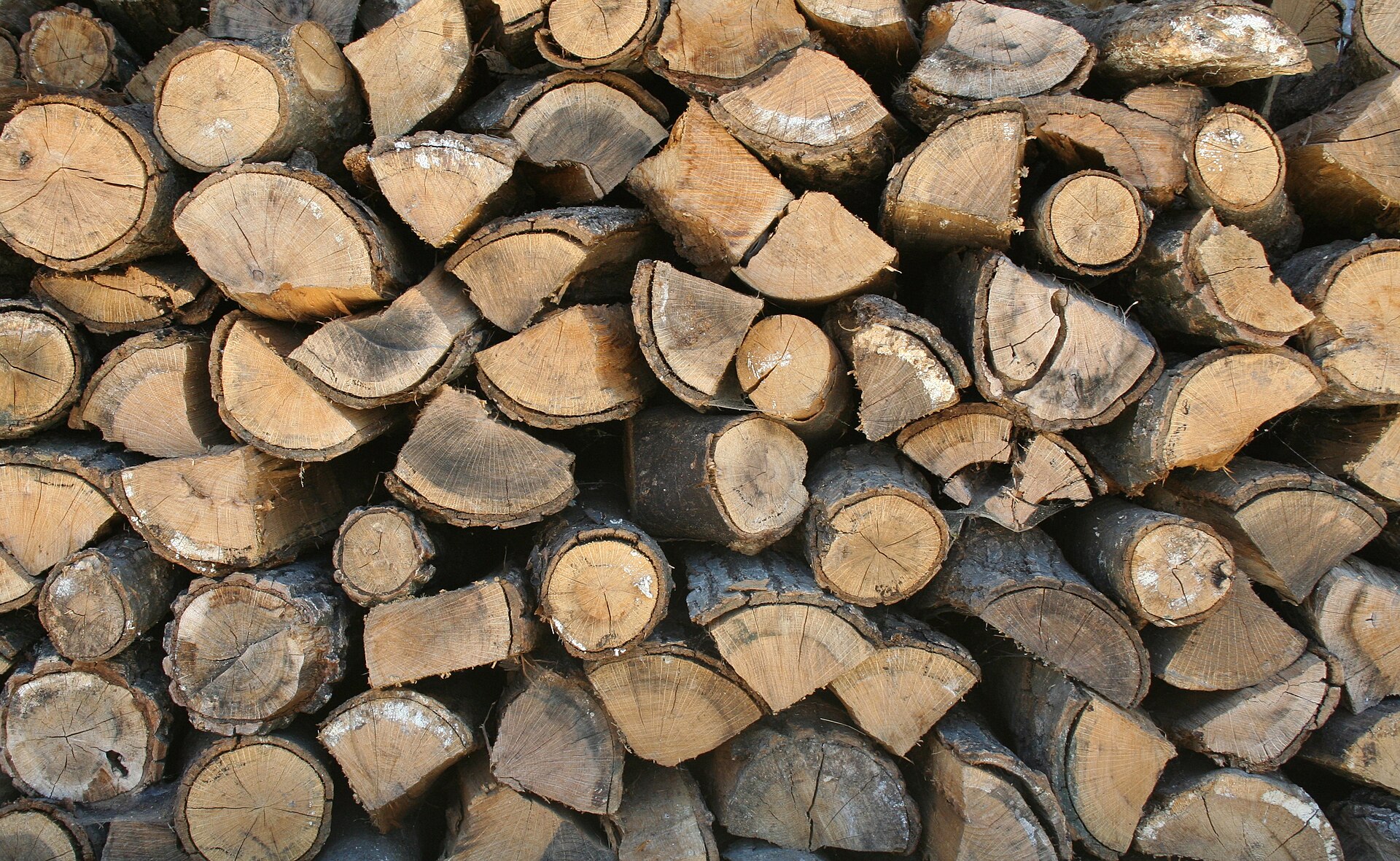
Green wood spends its energy evaporating water instead of heating the room, produces heavy creosote, and glazes the chimney. Season hardwood for a full 12 to 24 months, split and stacked off the ground under a roof with open sides for airflow.
Buy a $25 moisture meter and split a piece to test the fresh interior face. Under 20% is acceptable, under 15% is excellent. This single tool improves heating performance more than any stove upgrade.
Realistic Budget
- Stove: $700–$1,500 for a quality mid-size non-catalytic; $2,500–$6,000 for a cook stove or soapstone
- Chimney system: $800–$2,000, and this is where budgets are typically underestimated
- Hearth pad and heat shields: $200–$600
- Professional installation: $500–$1,500 if you are not doing it yourself
Budget the chimney before you fall in love with a stove. A cheap stove with a proper chimney outperforms an expensive stove with a marginal one, every time.
Final Thoughts
Size the stove to the space rather than to ambition, insist on a flat cook surface and no electrical dependency, install the chimney to code, and season your wood two years ahead. Do those four things and almost any reputable EPA-certified stove will heat your cabin for decades.
For backup heating options, see our guide on heating your home without electricity.
- Local museum Eltmann, wood stove in the kitchen.jpg — Nemracc, CC BY-SA 4.0
- Wood-burning stove at The Black Horse Inn, Nuthurst, West Sussex.jpg — Acabashi, CC BY-SA 4.0
- Stack of firewood.jpg — Mobius, Public domain
Images via Wikimedia Commons.
Marcus Reid
Founder & Editor, OffGridSage
Marcus founded OffGridSage to bring practical off-grid knowledge together in one place. Guides are built from official and expert sources (NREL, the EPA, the USDA and university extension services), manufacturer documentation and reader feedback, and are updated when information changes.