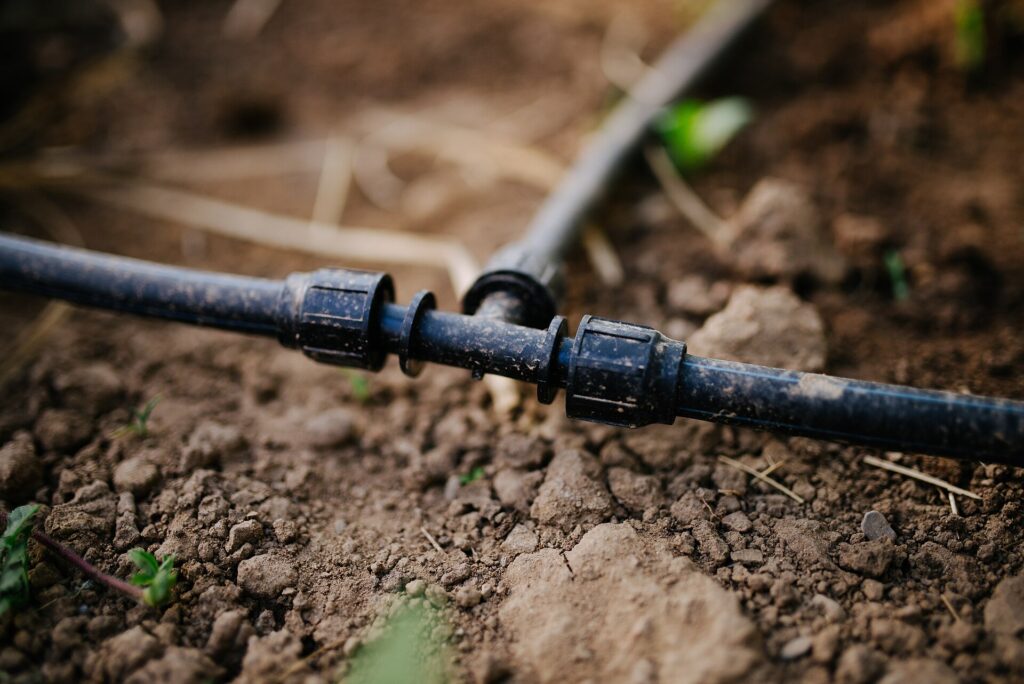
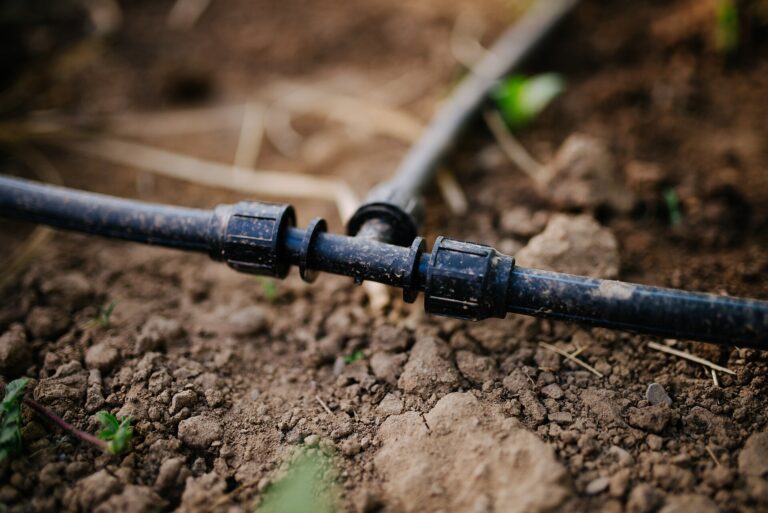
Store and filter water first — it’s the resource you can survive the least time without.
02
Build a food buffer
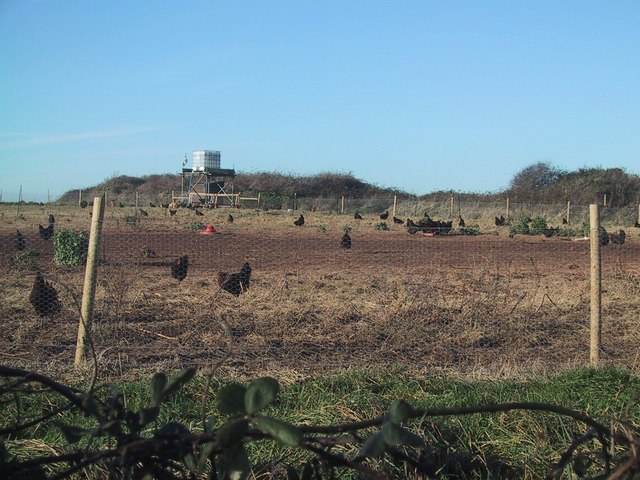
Start a small garden and a simple pantry stockpile so a disruption never means an empty plate.
03
Add backup power
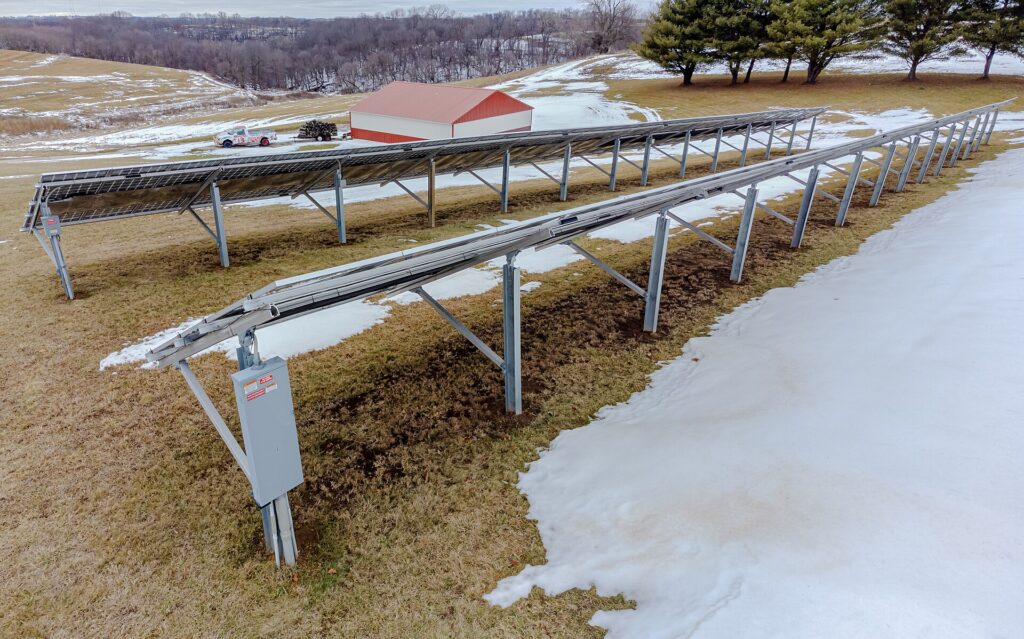
A portable solar generator or panel kit keeps the essentials running when the grid goes down.
04
Prepare for anything
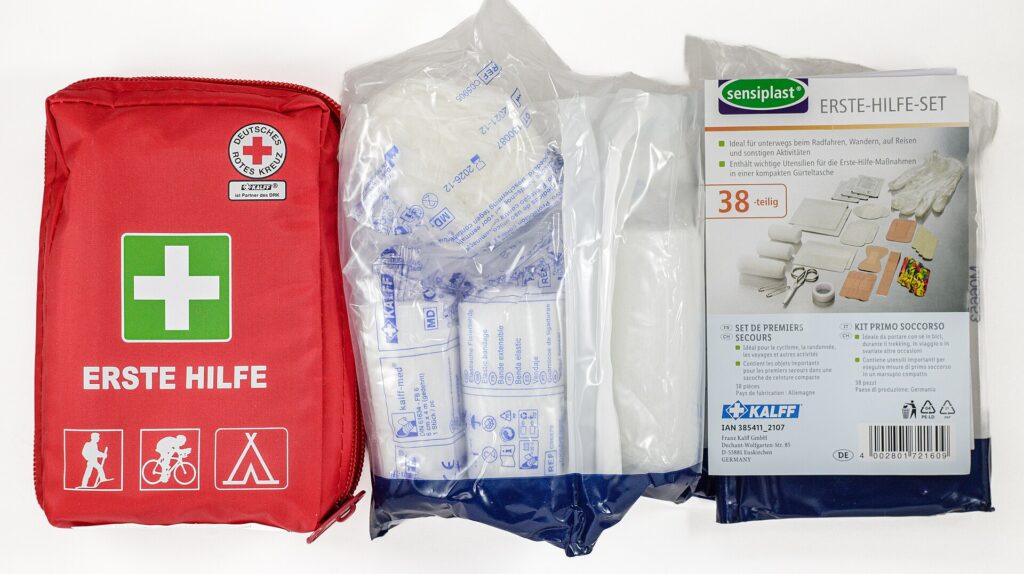
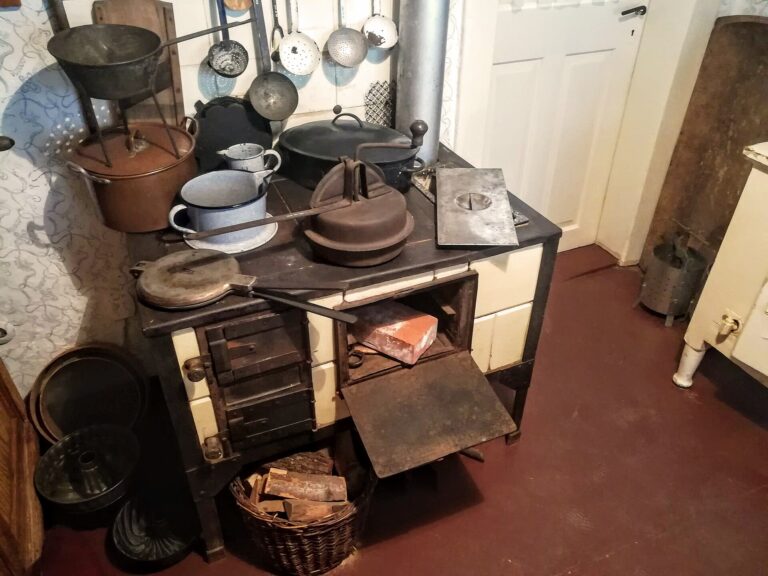
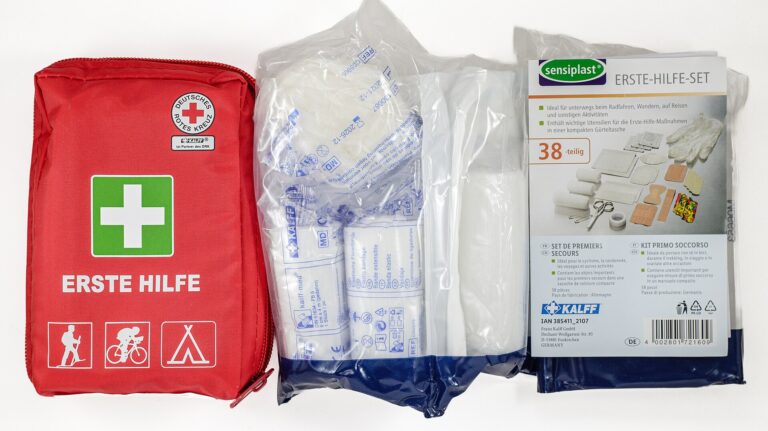
Pack an emergency kit and learn to heat, cook and stay safe without electricity.
FreeEvery guide, always
Why self-reliance
Independence isn’t about fear. It’s about freedom.
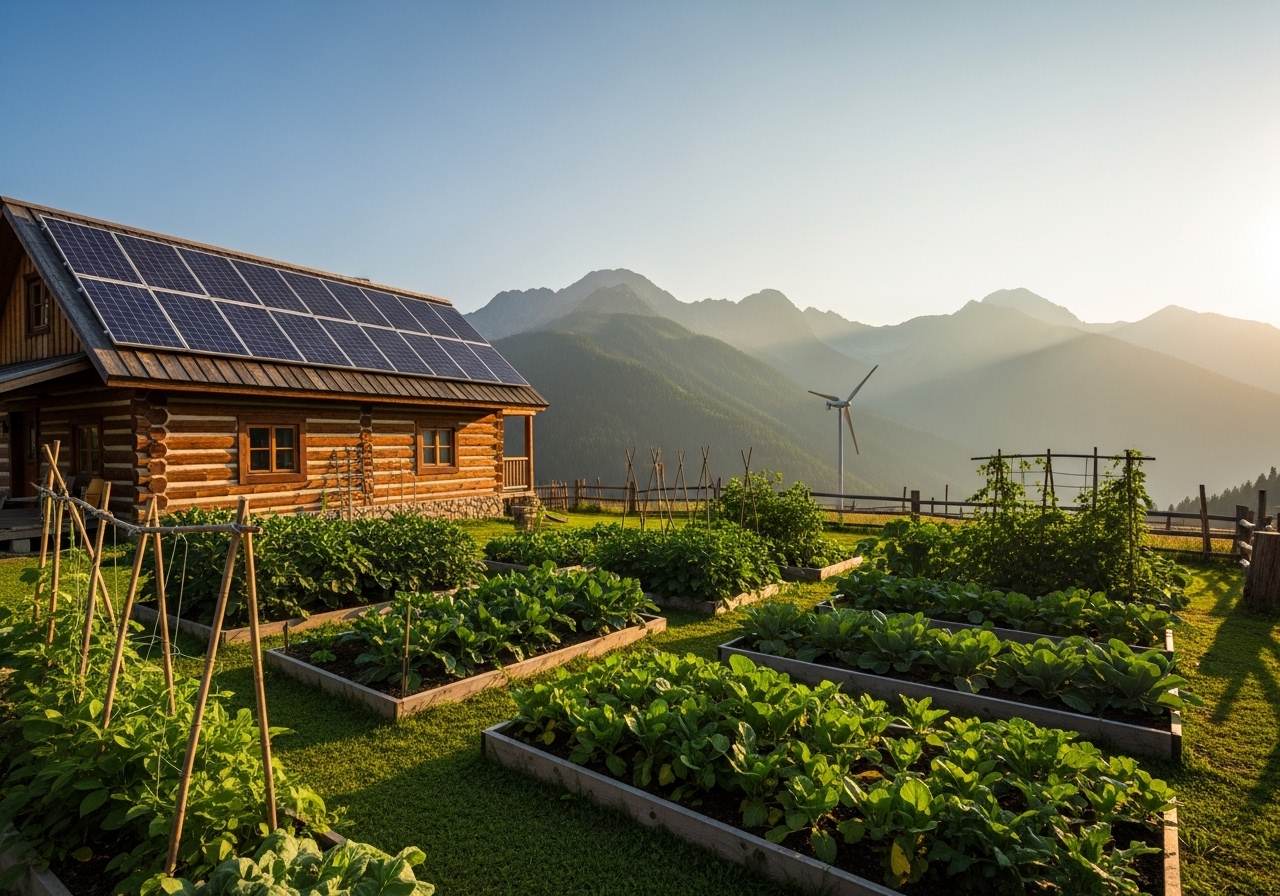
For most of human history, people knew how to grow food, store water and stay warm without flipping a switch. Going off-grid doesn’t mean abandoning modern life — it means learning a handful of practical skills so you’re ready when the power goes out, prices spike, or you simply want to live closer to the land.
No. Storing water, preserving food, building an emergency kit or using a portable solar generator can all be practiced in an apartment or a rented home for very little money. You build up from there as your skills and budget grow.
Is off-grid living legal where I live?
In most places, yes — but rules on rainwater collection, composting toilets and disconnecting from utilities vary by state, county and city. Always check local codes before a major project. See our laws by state overview.
How much does it cost to go off-grid?
It ranges from almost nothing (a rain barrel and a garden bed) to tens of thousands for a full solar home. Start cheap, learn the skills, and only scale up when it makes sense for you.
Can I go partially off-grid?
Absolutely — and most people should. Being “off-grid ready” means you can rely on yourself when you need to, while still enjoying modern conveniences day to day.
Where should a complete beginner start?
Water, then food, then backup power, then general preparedness — in that order. Our Start Here roadmap links the right guide for each step.