Best Chainsaws for Off-Grid Firewood in 2026: Honest Buyer Guide
If you heat with wood, the chainsaw is the tool that makes it possible. Six cords a year is a realistic requirement for a cold-climate off-grid home, and cutting that with the wrong saw is either dangerous, exhausting, or both.
This guide is about choosing correctly for the work you actually do, and about the safety equipment that a surprising number of people skip until the first time they need it.
Start With Safety, Because It Is Not Negotiable
A chainsaw chain moves at roughly 45 to 65 feet per second. A kickback drives the bar toward your head and upper body faster than human reaction time. Off-grid, 45 minutes from a hospital, a serious leg laceration is a life-threatening event rather than an inconvenience.
Required, every single time, no exceptions:
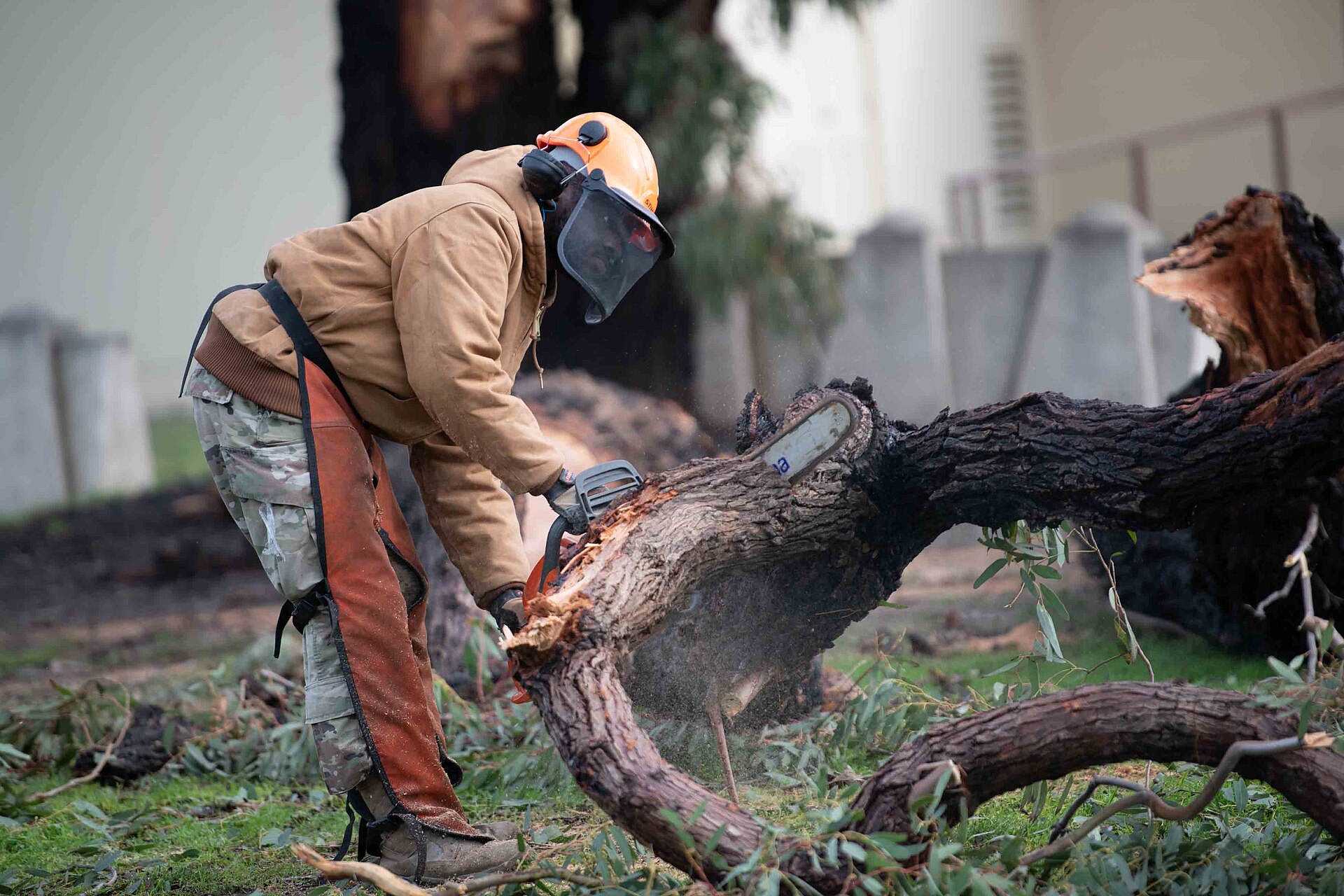
- Chainsaw chaps or trousers rated to your saw speed. They contain long ballistic fibers that pull out, jam the sprocket, and stop the chain in milliseconds. They cost $70–$150 and they work. The overwhelming majority of chainsaw injuries are to the legs.
- Helmet with face screen and ear protection. A combination forestry helmet runs $50–$100. Saws operate around 105–115 dB, which causes permanent hearing damage with repeated exposure.
- Cut-resistant gloves and steel-toe boots, ideally chainsaw-rated boots for felling work.
- Never cut alone if you can avoid it, and carry a tourniquet and a way to call for help when you cannot. A satellite messenger earns its cost the first time.
Take a chainsaw safety course if one is available locally. Understanding kickback zones, bore cutting, hinge wood, and tension and compression in a fallen log prevents far more injuries than any feature on a saw.
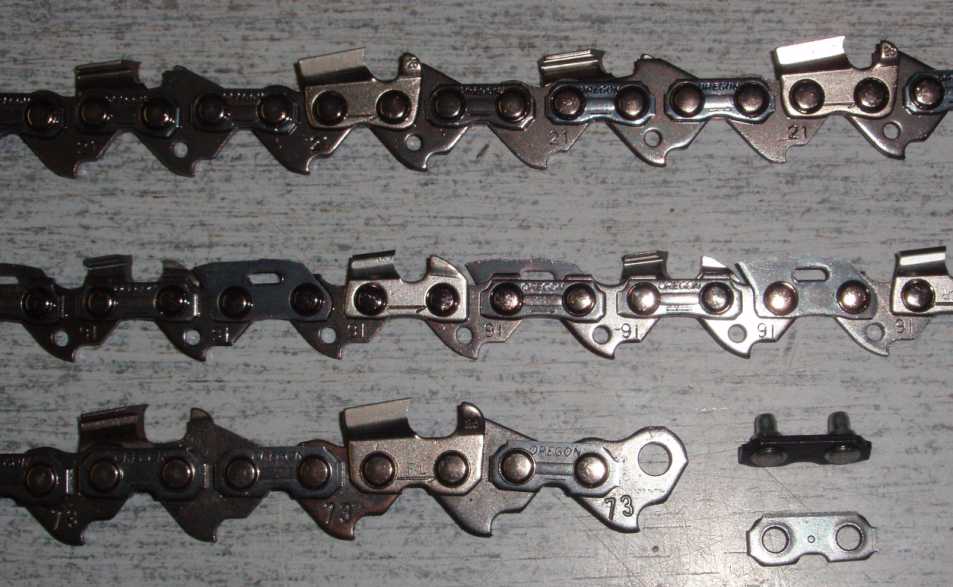
Bar Length: Smaller Than You Think
The single most common buying mistake is a bar that is too long. A longer bar means more weight, more chain drag, slower cutting, and more exposed tip, which is where kickback originates.
Match the bar to your typical wood, not to the biggest tree on the property:
- 12–14 inch: limbing, small trees, storm cleanup, bucking rounds under 10 inches
- 16–18 inch: the firewood sweet spot. Handles the substantial majority of firewood-sized timber and stays manageable all day.
- 20–24 inch: felling large hardwood, milling, and genuinely big timber
A saw can cut a tree roughly twice its bar length using proper technique. A 16-inch bar handles a 30-inch trunk in the hands of someone who knows how. Most people buy a 20-inch bar, use it for 12-inch rounds, and fight the extra weight for years.
For most off-grid firewood cutting, a 16 or 18 inch bar on a 50cc class saw is the right answer.
Gas Versus Battery in 2026
Battery saws have improved enormously and now genuinely compete for a substantial portion of the work.
Battery advantages:
- Instant start, no priming, no carburetor to gum up over the winter
- Near-silent, so you can hear what is happening around you and often skip heavy ear protection
- No fuel to store, stabilize, or haul — meaningful off-grid
- Recharges from your solar array, turning firewood into a byproduct of sunlight
- Minimal maintenance beyond chain sharpening
Battery limitations:
- Runtime. A large battery delivers roughly 30 to 60 minutes of actual cutting in firewood-sized hardwood. Spare batteries are expensive.
- Cold weather reduces capacity noticeably, and winter is when you cut.
- Top-end power still trails a comparable gas saw in large hardwood.
- Charging a large battery pack takes a real bite out of a small off-grid solar budget.
The honest recommendation for a wood-heated homestead: own both. A 50cc gas saw for cutting days when you process a cord or more, and a battery saw for limbing, storm cleanup, and the ten-minute jobs where dragging out the gas saw is not worth it. The battery saw ends up being used more often; the gas saw does the heavy work.
If you must choose one and you heat with wood in a cold climate, choose gas.
Engine Size Classes
- 30–40cc: homeowner class. Light, cheap, suitable for limbing and occasional small cutting. Underpowered for six cords a year.
- 45–55cc: the firewood class and the right choice for most off-grid users. Enough power for hardwood, light enough to run all day, and the most common size so parts and chains are everywhere.
- 60–70cc: professional felling and milling. Heavy, powerful, and more saw than firewood cutting requires.
Buy the professional or mid-grade line rather than the entry homeowner line from the same manufacturer. Pro-grade saws use better bearings, magnesium crankcases, and rebuildable components. They cost 40–70% more and last several times as long. For a tool you depend on annually, this is straightforwardly the cheaper option over time.
Features Worth Paying For
- Tool-free chain tensioning — you will adjust tension many times per day, especially with a new chain
- Anti-vibration mounts — reduces fatigue substantially and helps prevent long-term nerve damage from repeated exposure
- Chain brake — standard on all modern saws, but confirm it engages crisply and test it before each session
- Easy-access air filter — you will clean it constantly
- Decompression valve on larger saws, which makes starting far easier
- Widely available parts — this matters more off-grid than any spec. Choose a brand with a dealer within reasonable driving distance.
What You Need Beyond the Saw
Budget for these. They are not accessories, they are part of the system.
- Two or three spare chains, so you swap rather than stopping to sharpen mid-job
- Round file and guide, or a bench sharpener. A sharp chain cuts itself into the wood; a dull one has to be forced, which is how kickback and fatigue injuries happen. Learning to hand-file is a genuinely valuable off-grid skill.
- Bar and chain oil in quantity — you consume roughly as much bar oil as fuel
- Felling wedges, plastic, and a small sledge
- Cant hook or peavey for rolling logs, which saves your back and keeps the bar out of the dirt
- Ethanol-free fuel or fuel stabilizer. Ethanol destroys small engine carburetors during storage and is the leading cause of a saw that will not start in November.
- Scrench and a basic tool kit kept with the saw
Maintenance That Prevents Most Failures
- Check chain tension every tank. A new chain stretches significantly in its first hour.
- Clean the air filter after each session. Sawdust is relentless.
- Flip the bar periodically so it wears evenly, and clean the bar groove and oiler hole.
- Verify the chain oiler is actually delivering oil — hold the running saw over a stump and look for an oil line. A dry bar destroys itself quickly.
- Drain fuel or add stabilizer before storing more than a month.
- Replace the spark plug annually. It costs a few dollars and prevents most hard-starting complaints.
Realistic Budget
- Mid-grade 50cc gas saw: $350–$600
- Professional 50cc gas saw: $600–$900
- Quality battery saw with one battery: $300–$600, spare batteries $130–$250 each
- Safety gear, complete: $180–$300
- Chains, files, oil, wedges, cant hook: $150–$250
Plan on $700–$1,200 to be properly equipped. If the budget is tight, buy a used professional-grade saw from a reputable dealer rather than a new homeowner-grade saw, and never economize on the chaps and helmet.
Final Thoughts
A 50cc saw with a 16 or 18 inch bar, a sharp chain, and complete safety gear will cut all the firewood a homestead needs for the next two decades. The saw is the least important variable — sharpening skill, safe technique, and dry seasoned wood matter more than any model choice.
Once the wood is cut, see our guide on heating your home without electricity to get the most out of it.
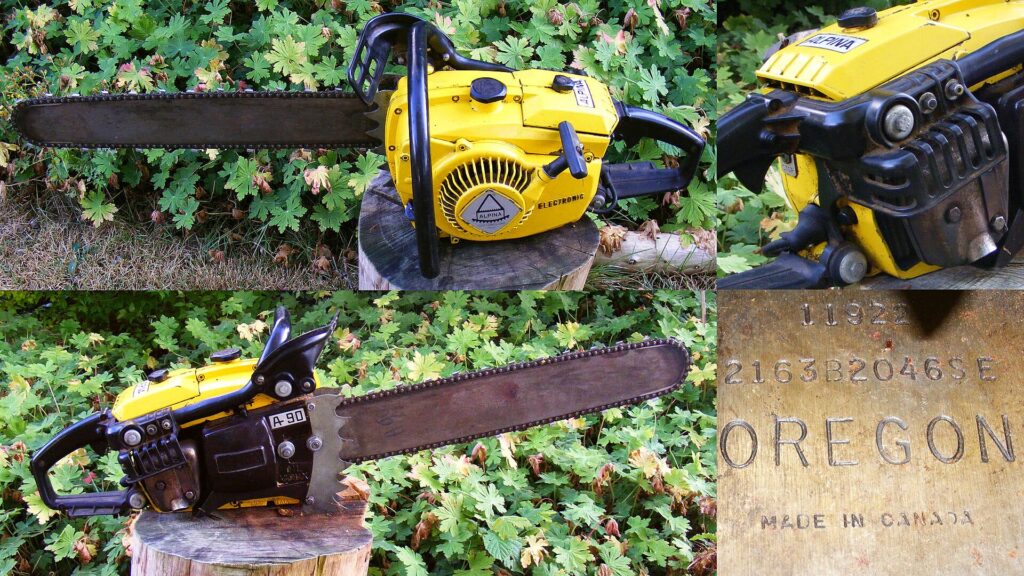
- Alpina A-90 chainsaw, collage.jpg — Arp, Public domain
- Chainsaw chains.JPG — Horst74, Public domain
- Staff Sgt. Josue a tree branch at Travis Air Force Base.jpg — SrA Alexander Merchak, Public domain
Images via Wikimedia Commons.
Marcus Reid
Founder & Editor, OffGridSage
Marcus founded OffGridSage to bring practical off-grid knowledge together in one place. Guides are built from official and expert sources (NREL, the EPA, the USDA and university extension services), manufacturer documentation and reader feedback, and are updated when information changes.