Winter Car Emergency Kit: What Actually Keeps You Alive

The dangerous winter scenario for rural and off-grid drivers is not a crash. It is sliding into a ditch on a road nobody travels, with no cell signal, four hours before dark, at 10 below zero.
Your vehicle becomes an unheated metal box within about 45 minutes of the engine stopping. Everything in this kit exists for that specific situation.
First Principle: Stay With the Vehicle
Almost everyone who dies in these situations dies walking for help. A vehicle is shelter, it is windproof, it is visible from the air and from the road, and searchers look for vehicles.
Walking in deep snow soaks your clothing, burns energy you cannot replace, and in whiteout conditions people walk in circles within a hundred yards of the road. Stay put unless you can see an occupied building.
Layer One: Getting Unstuck
Most situations end here, and this is the gear most people skip.
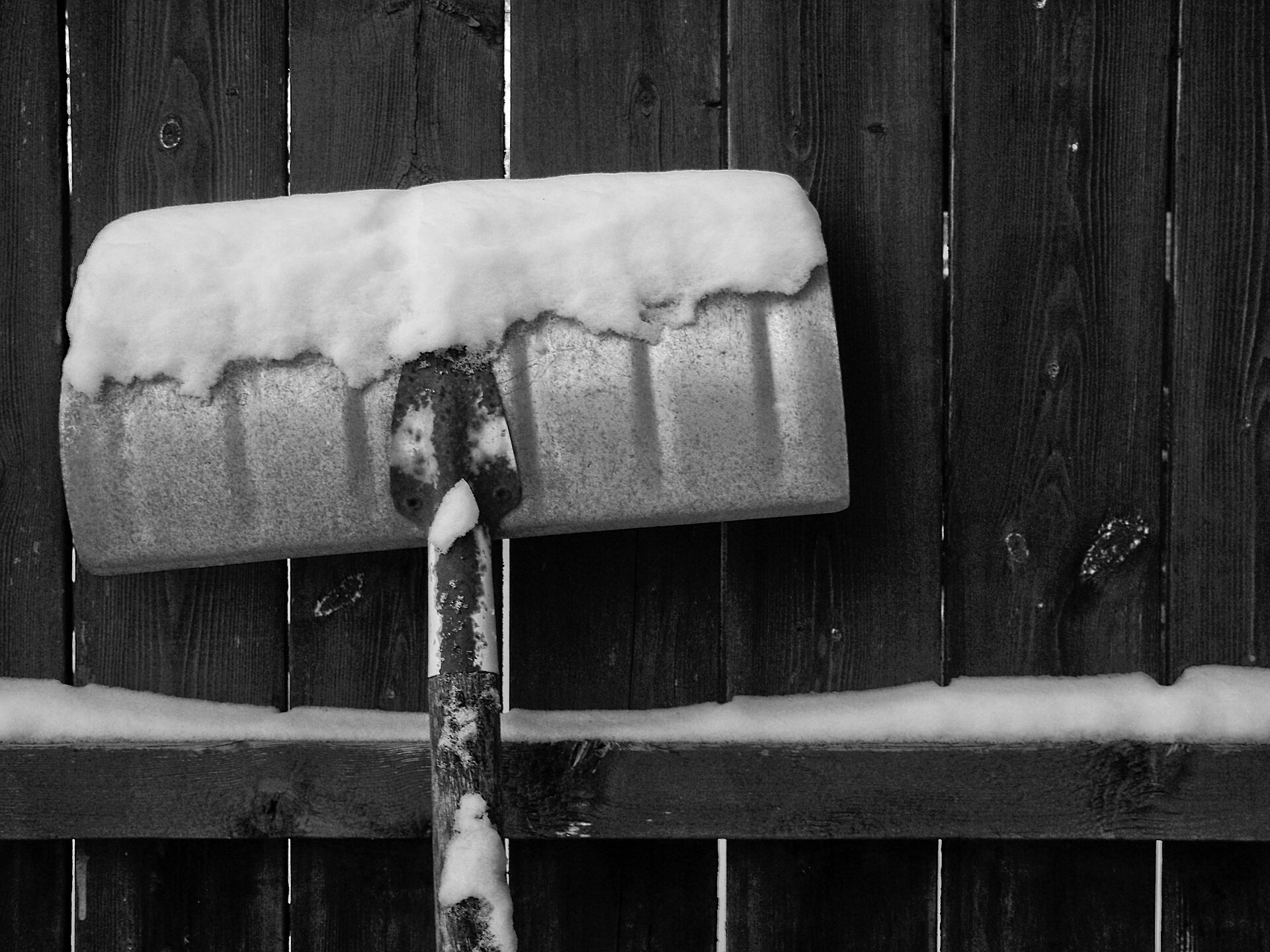
- Folding or compact shovel. Clearing snow from around the tires and the exhaust pipe solves a surprising number of situations outright. A blocked exhaust is also how people die of carbon monoxide poisoning while the engine runs.
- Traction boards or, at minimum, a bag of sand or cat litter. Rubber recovery boards cost $60–$120 and work far better than anything improvised.
- Tow strap, 20 feet, rated well above vehicle weight, with a proper recovery point in mind. Never use a strap with metal hooks under tension — a snapped hook is a projectile.
- Tire chains for your specific tire size, plus gloves you are willing to ruin installing them. Practice once in your driveway in daylight. Installing chains for the first time at night in a ditch is its own kind of misery.
Layer Two: Staying Warm Without the Engine
You cannot run the engine indefinitely. A typical vehicle idles through roughly half a gallon per hour, and an exhaust buried in snow kills you silently.
The realistic strategy is to run the engine for 10 to 15 minutes per hour, with the exhaust pipe confirmed clear and a window cracked, and stay warm by insulation the rest of the time.
- A proper sleeping bag rated to at least 0°F. This is the single most important item in the kit and the one most often substituted with a thin blanket. A real bag is the difference between uncomfortable and hypothermic.
- Wool blankets. Wool insulates when damp; cotton does not and actively kills.
- A complete change of clothing in a dry bag — wool base layers, insulated bibs, parka, wool socks, winter boots, insulated gloves, and a balaclava. If you drive in dress clothes or work boots, this matters enormously.
- Chemical hand and body warmers, a dozen. They last 8–10 hours and cost almost nothing. Check expiration dates annually.
- Emergency bivvy sack, the reinforced kind, not a foil space blanket. Space blankets tear in seconds and are close to useless in practice.
- A candle in a metal can and waterproof matches. A single candle raises the interior temperature of a car measurably and provides light. Crack a window.
Move periodically. Isometric exercises, shifting position, and flexing muscles generate real heat. Do not fall asleep while you are already cold.
Layer Three: Being Found
- Headlamp plus a backup flashlight, with lithium batteries, which hold voltage far better than alkaline in cold. Store spare batteries in an inside pocket.
- Road flares or LED beacons. LED beacons are reusable and safer; flares are visible further in snow.
- A bright cloth to tie to the antenna or door handle. Snow-covered vehicles vanish from view within hours.
- Whistle. Carries much further than shouting and costs no energy.
- Satellite messenger if you routinely drive where there is no cell signal. A Garmin inReach Mini or equivalent runs $300–$400 plus a monthly plan and is the only reliable way to call for help outside coverage. For anyone living genuinely remote, this is the highest-value item on the list.
Layer Four: Food, Water, and Power
- Water stored where it will not burst when frozen — a partially filled bottle or an insulated container. Keep it inside the cab rather than the trunk, and keep a bottle near your body while waiting.
- High-calorie food that stays edible frozen. Nuts, jerky, chocolate, and nut butter packets work. Granola bars freeze into bricks. Aim for 3,000–4,000 calories total.
- Jump starter with an integrated USB power bank. A modern lithium jump pack is far more useful than cables, because cables require a second vehicle you do not have. Keep it charged and store it in the cab, not the trunk — lithium loses substantial capacity in deep cold.
- A phone charging cable that works with the jump pack.
Layer Five: Tools and Medical
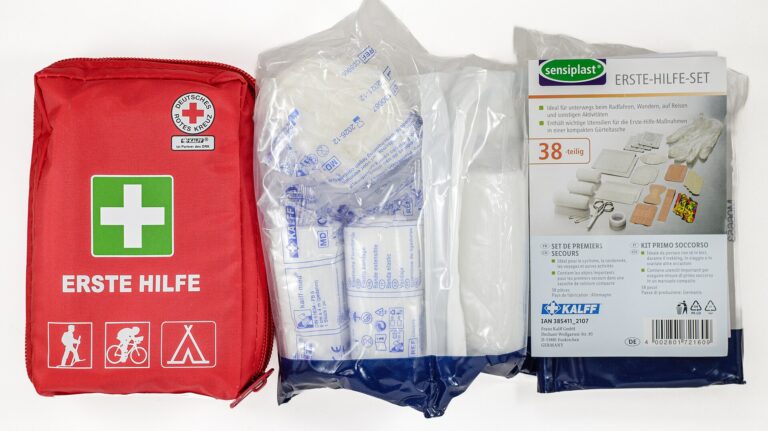
- Basic first aid kit with trauma dressings, not just adhesive bandages
- Any prescription medication, minimum three days
- Multi-tool and duct tape
- Seatbelt cutter and window punch, mounted within reach of the driver seat — not in the trunk, where it is useless in the situation it exists for
- Paper map of the region. GPS fails; paper does not.
- Small fire extinguisher
What to Skip
Commercial roadside kits sold at big-box stores are built to a price point. They typically contain thin gloves, a foil blanket, a plastic whistle, and a handful of bandages. None of that addresses an overnight stay at subzero temperatures. Build the kit yourself.
Skip: foil space blankets, tea-light candles, cotton blankets, canned food without a way to heat it, and anything that requires bare hands and fine motor control to operate.
Storage and Seasonal Routine
Keep the kit in a single duffel or tote so it moves between vehicles easily and so you can reach everything without unloading the truck in a snowbank.
Every autumn:
- Replace food and water
- Test the jump starter and recharge it
- Check hand warmer expiration dates
- Swap in winter clothing sized for current household members
- Verify the satellite messenger subscription is active
- Top up windshield washer fluid rated to -20°F and keep a spare gallon
And the habit that matters more than any item in the list: tell someone your route and expected arrival time. Search and rescue begins when someone notices you are missing. Off-grid, that can take a long time if nobody is expecting you.
Final Thoughts
Build the kit around one question: could I sit here for 18 hours at -10°F without the engine running? If the answer is yes, everything else is a convenience.
For broader preparedness, see our 72-hour emergency kit guide.
- Beskid Sądecki in winter 2016 05.jpg — Pudelek, CC BY-SA 4.0
- Standard First Aid Kit and Essential Emergency Medical Supplies 03.jpg — ABORISADEADETONA, CC0
- Snow shovel, rear, against wooden fence.jpg — Cbaile19, CC0
Images via Wikimedia Commons.
Marcus Reid
Founder & Editor, OffGridSage
Marcus founded OffGridSage to bring practical off-grid knowledge together in one place. Guides are built from official and expert sources (NREL, the EPA, the USDA and university extension services), manufacturer documentation and reader feedback, and are updated when information changes.