Off-Grid First Aid Kit: Building for Hours From Help
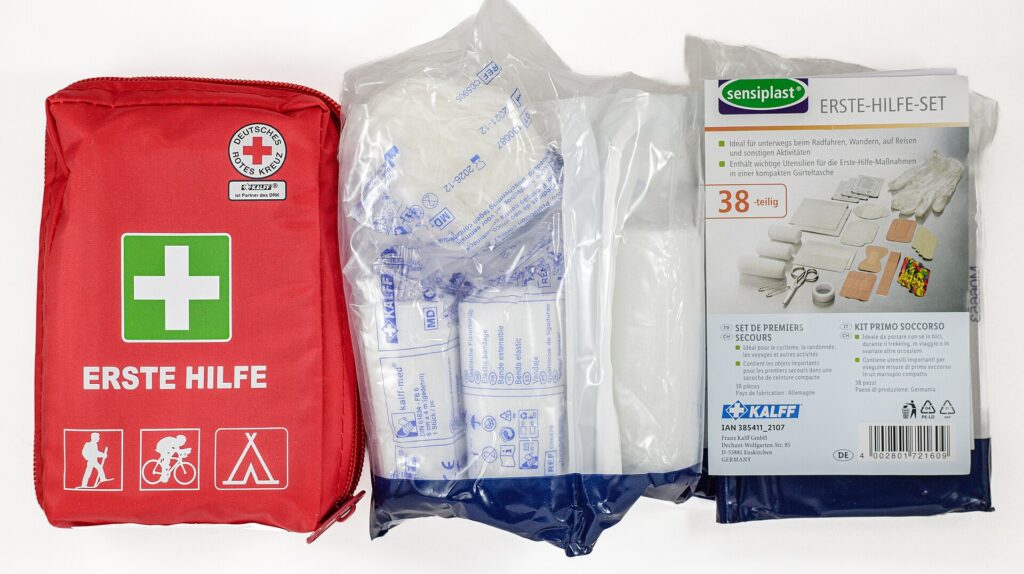
A drugstore first aid kit is designed for a scraped knee ten minutes from an urgent care clinic. Off-grid, the relevant question is different: what happens when the injury is serious, the ambulance is 45 minutes out on a road that may not be plowed, and you are the only medical care for the next hour?
That changes what belongs in the kit, and it changes the priority order completely.
One point before anything else: supplies without training are close to useless. A tourniquet applied incorrectly does not stop bleeding. Take a Wilderness First Aid course, or ideally Wilderness First Responder. They typically run 2 to 8 days and cost $200–$800, and they are worth more than every item listed below combined.
Priority One: Massive Bleeding
Someone can bleed to death from a major limb wound in three to five minutes. Nothing else in the kit matters on that timeline. Chainsaws, axes, livestock, and machinery make this a realistic homestead risk, not a theoretical one.
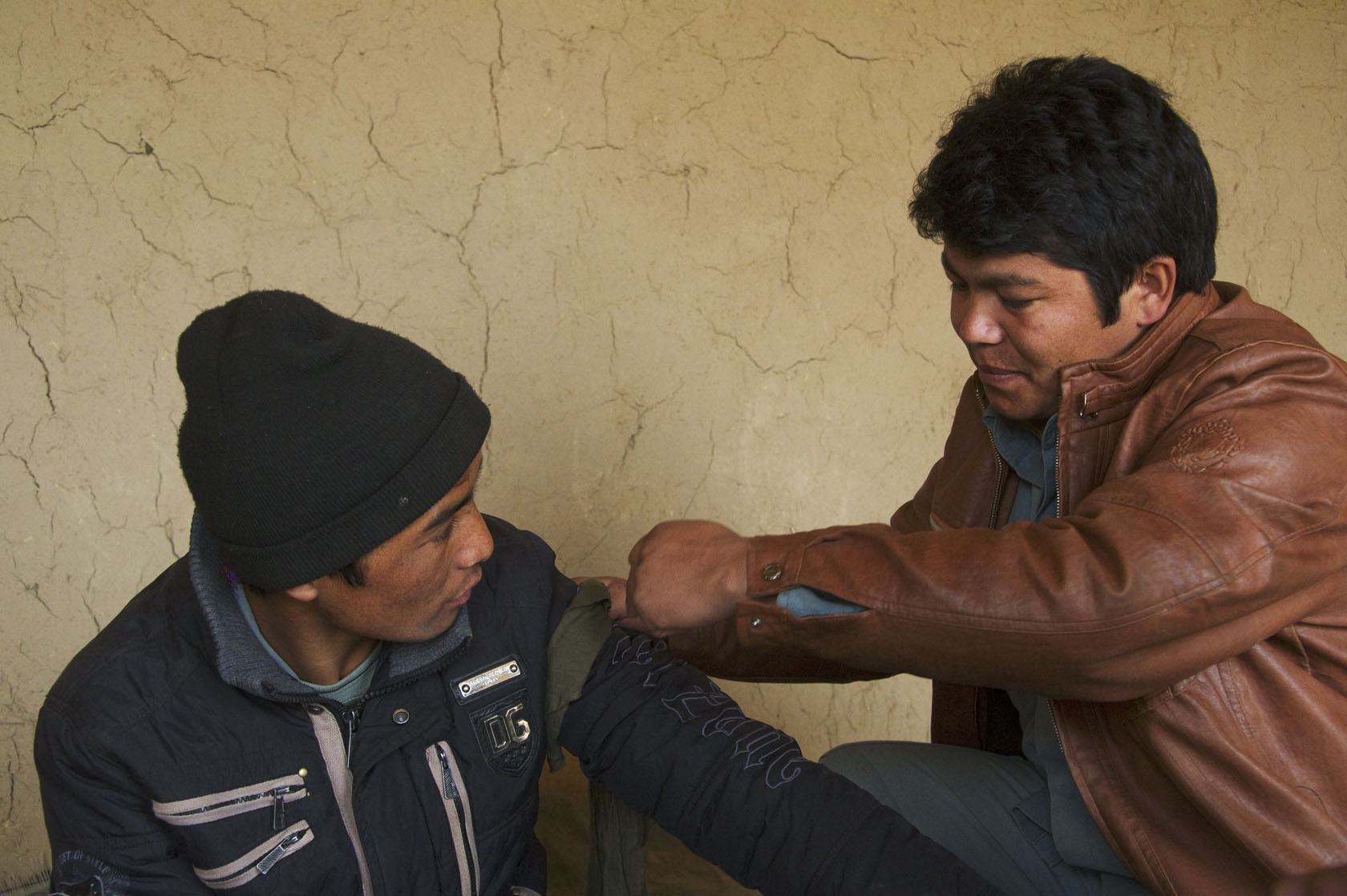
- Two CAT or SOF-T Wide tourniquets. Buy from a reputable medical supplier, not a marketplace listing — counterfeit tourniquets are widespread and they fail under load. Two, because one may fail and some wounds need a second placed above the first.
- Hemostatic gauze (QuikClot Combat Gauze or Celox). For junctional wounds — groin, armpit, neck — where a tourniquet cannot be applied. Packed firmly into the wound with direct pressure held for three full minutes.
- Israeli bandage or emergency trauma dressing, two. Combines a sterile pad with a built-in pressure bar.
- Compressed gauze rolls, four, for wound packing.
- Nitrile gloves, several pairs. Non-latex, because latex allergies are common and you will not know.
- Trauma shears. You cannot treat what you cannot see, and cutting clothing off is faster than removing it.
Store bleeding control items together in a clearly marked pouch at the top of the kit. In an emergency you will not be sorting through compartments.
Priority Two: Airway and Breathing
- CPR pocket mask with a one-way valve
- Nasopharyngeal airway with lubricant, if you have been trained to place one
- Chest seals, two vented. For penetrating chest wounds. Two, because penetrating trauma often has an exit wound.
Priority Three: Wound Care
This is what you will actually use, week after week. Cuts, punctures, burns, and splinters are the daily reality of physical work far from a clinic, and infection is the real off-grid danger.
- A 60cc irrigation syringe with an 18-gauge catheter tip. This is the most underrated item in any remote kit. Proper wound irrigation requires high-pressure flushing with a large volume of clean water — a liter or more for a dirty wound. Pouring water over a cut does almost nothing. Pressure irrigation removes the bacteria that cause infection.
- Sterile saline or, realistically, clean drinking water. Potable water is acceptable and you will have far more of it.
- Assorted sterile gauze pads, 2×2 and 4×4
- Non-adherent pads for burns and abrasions
- Self-adhering wrap (Coban), which sticks to itself and not to skin or hair
- Medical tape, cloth and paper
- Adhesive bandages in generous quantity and multiple sizes
- Steri-Strips or butterfly closures plus tincture of benzoin, which makes them actually adhere. Most people skip the benzoin and the strips fall off within hours.
- Skin adhesive for clean, low-tension lacerations
- Povidone-iodine solution for cleaning around wounds, not inside them
- Antibiotic ointment
- Burn gel dressings — wood stoves and cooking fires make burns common off-grid
- Fine-point tweezers and a splinter probe
Do not put suture kits in a home first aid kit unless you have been specifically trained. Closing a contaminated wound traps infection inside, and in a remote setting an abscess is far more dangerous than a scar. Irrigate thoroughly, close loosely with strips if appropriate, and leave heavily contaminated wounds open.
Priority Four: Fractures and Sprains
- SAM splint, two. Malleable aluminum and foam, formable to any limb, and reusable.
- Elastic bandages, several widths
- Triangular bandages, four, for slings and improvised immobilization
- Instant cold packs, though a snowbank works nine months of the year in cold climates
Medications
- Ibuprofen and acetaminophen — can be alternated for stronger pain control
- Diphenhydramine (Benadryl) for allergic reactions
- Epinephrine auto-injector if anyone in the household has a known severe allergy. Prescription required. Bee stings on a remote property are a genuine emergency.
- Aspirin, 325mg chewable — specifically for suspected heart attack
- Loperamide for diarrhea. Dehydration is a serious risk when the nearest care is far away.
- Oral rehydration salts
- Antacid and an antihistamine for allergies
- Personal prescriptions, minimum 30-day surplus, rotated so nothing expires
Check expiration dates twice a year. Most medications remain effective past the printed date, but epinephrine degrades meaningfully and should be replaced on schedule.
Reference and Communication
- A printed wilderness medicine reference. Paper works when devices do not. Your training manual is the best option.
- Laminated card with emergency numbers, the property address as emergency services would find it, GPS coordinates of the driveway entrance, and the nearest hospital.
- Satellite messenger or a plan for reaching help if cell coverage is unreliable.
The address card matters more than it sounds. In an emergency people forget their own directions, and rural properties are often hard to locate. Post the same information on the refrigerator.
Organize for Speed
Use a soft case that opens flat with clear compartments. Rummaging through a stuffed bag while someone is bleeding is a real and avoidable failure.
Structure it in tiers:
- Top layer, marked: tourniquets, hemostatic gauze, trauma dressings, gloves, shears
- Main compartment: everyday wound care
- Side pockets: medications, splints, reference card
Keep one comprehensive kit in the house at a known location, a trauma-focused kit near the workshop and wherever chainsaw work happens, and a compact kit in each vehicle. The workshop kit saves the most lives because that is where serious injuries occur.
Realistic Budget
A genuinely capable off-grid kit runs $250–$450 including quality tourniquets and hemostatic gauze. Build it in stages if needed: bleeding control first, wound care second, everything else after. Do not economize on tourniquets or hemostatic gauze — those are the items where counterfeits and cheap alternatives fail when it matters.
Final Thoughts
The kit is the easy part. Take the training, restock what you use the same week you use it, and make sure every adult in the household knows where the kit is and how the bleeding control items work. Someone who can find a tourniquet in the dark is worth more than a larger kit nobody understands.
For broader emergency planning, see our 72-hour emergency kit guide.
- Erste Hilfe 003 2026 02 17.jpg — Friedrich Haag, CC BY-SA 4.0
- Afghan Uniformed Police (AUP) officers practice applying a tourniquet during a first aid class in the Kajran district, Daykundi province, Afghanistan, Feb 120202-N-JC271-133.jpg — MC1 Matthew Leistikow, Public domain
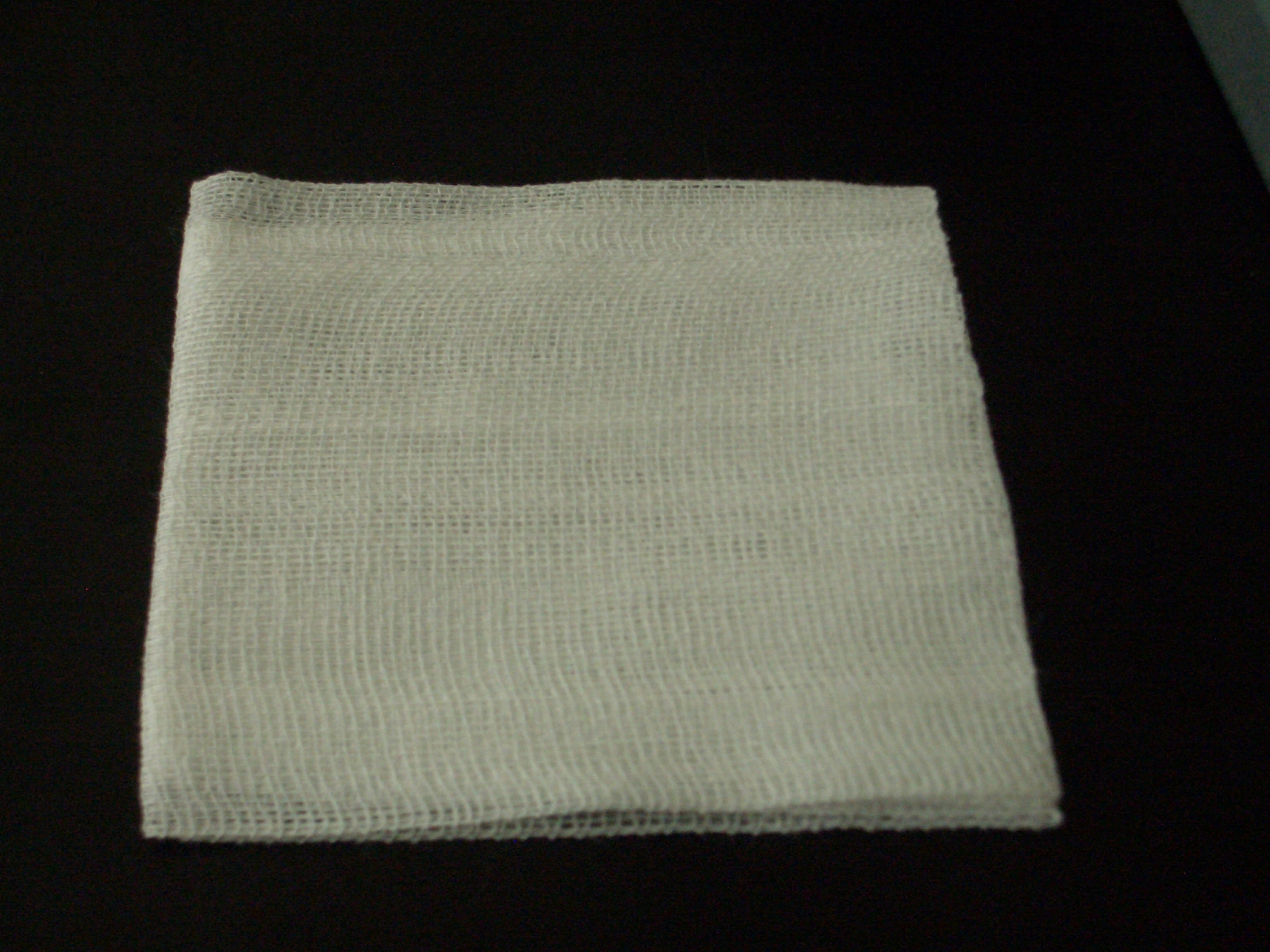
- Gauze 01.JPG — Saltanat ebli, CC0
Images via Wikimedia Commons.
Marcus Reid
Founder & Editor, OffGridSage
Marcus founded OffGridSage to bring practical off-grid knowledge together in one place. Guides are built from official and expert sources (NREL, the EPA, the USDA and university extension services), manufacturer documentation and reader feedback, and are updated when information changes.