How to Raise Backyard Chickens Off-Grid: Complete Setup Guide
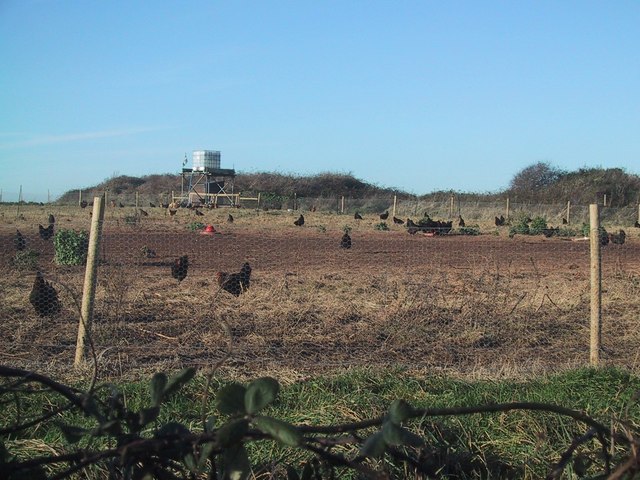
Chickens are the highest-return livestock on a small homestead. They convert kitchen scraps and forage into protein, produce fertilizer, eat ticks and garden pests, and require no electricity if the setup is designed correctly.
The off-grid complication is not the chickens. It is water in winter and predators year-round.
How Many Birds Do You Actually Need
A healthy hen in her first two laying years produces 4 to 6 eggs per week during long-day months and substantially fewer in winter. Averaged across a full year, plan on roughly 200–250 eggs per hen annually for good production breeds.
- Two people eating a dozen eggs a week: 4–5 hens
- Family of four at two dozen weekly: 8–10 hens
- Family plus baking, surplus, and winter dip: 12–15 hens
Never keep fewer than three. Chickens are flock animals and a lone bird becomes stressed and stops laying. A rooster is not required for eggs — only for fertile eggs. Roosters offer genuine predator warning but are loud, sometimes aggressive, and prohibited by many rural covenants.
Choosing Breeds for Off-Grid Conditions
Breed choice matters more off-grid than in town, because you cannot compensate with heat lamps and climate control.
Cold-hardy dual-purpose breeds are the reliable choice: Buff Orpington, Plymouth Barred Rock, Wyandotte, Australorp, Rhode Island Red, and Chantecler. These have small combs that resist frostbite, heavy bodies, good foraging instincts, and they go broody so you can hatch replacements without an incubator.
Avoid Leghorns and commercial hybrids in cold climates. They lay prolifically for two years then burn out, have large combs that freeze, and rarely go broody, meaning you buy chicks every year.
For hot climates, reverse the priorities and choose lighter birds with large combs for heat dissipation.
Coop Design Without Electricity
Space requirements: 4 square feet per bird inside the coop and 10 square feet per bird in the run. Crowding causes feather picking, cannibalism, and disease. Build bigger than you think you need — flocks grow.
Ventilation is the single most important design element in cold climates, and it is counterintuitive. Chickens tolerate cold well but not moisture. They exhale a surprising amount of water vapor, and if it condenses on combs and wattles it causes frostbite. A sealed coop is far more dangerous in winter than a drafty one.
Provide ventilation openings high on the walls, above roost height, totaling roughly 1 square foot per bird. Air exchanges above the birds without blowing directly on them. In a well-ventilated coop, hens handle -20°F without supplemental heat.
Other requirements:
- Roost bars 2 to 4 feet off the floor, 2×4 laid flat side up so birds cover their feet with their bodies. Allow 10 inches of bar per bird.
- Nesting boxes, one per four hens, 12x12x12 inches, placed lower than the roosts so birds do not sleep in them.
- Deep litter bedding — start with 6 inches of pine shavings, add more as needed, and let it compost in place through winter. The composting action generates gentle heat and the litter becomes excellent garden compost in spring.
- South-facing windows for passive solar gain and natural light, which supports laying.
Do not install heat lamps. They are the leading cause of coop fires, they prevent birds from acclimating, and a power failure on a cold night then kills a flock that never grew winter feathering.
Winter Water: The Real Off-Grid Problem
Chickens need constant water access. A hen that cannot drink stops laying within a day. Grid-connected keepers use heated waterers; off-grid you need another approach.
Options that work:
- Black rubber tubs. The most practical low-tech solution. Rubber flexes, so you can stomp the ice out without cracking the container, and black absorbs solar gain. Swap twice daily in deep cold.
- 12V heated base on a small solar circuit. A typical heated base draws 60–125W and only runs on a thermostat below freezing, so actual consumption is far lower than the rating suggests. A 200W panel with 100Ah of storage handles it in most climates.
- Insulated waterer inside a straw-bale surround, with a dark lid for solar gain. Extends freeze time by several hours.
- Twice-daily manual swap. Two containers, one thawing indoors while the other is in use. Zero technology, significant labor.
Place water outside the coop or in the run when possible. A tipped waterer inside a coop soaks bedding, which drives humidity and causes the frostbite you ventilated so carefully to avoid.
Predator Proofing: Assume Everything Wants Them
Off-grid properties are surrounded by predators. In my experience the losses, in order of frequency, come from raccoons, foxes, hawks, weasels, and dogs.
Use hardware cloth, never chicken wire. This is the most important sentence in this article. Chicken wire keeps chickens in; it does not keep predators out. A raccoon tears through it with its hands. Use 1/2-inch galvanized hardware cloth on every opening, window, and vent.
Essential measures:
- Bury an apron. Extend hardware cloth 12 inches down and 18 inches outward in an L shape at the base of the run. Diggers follow the fence line, hit the apron, and give up.
- Cover the run. Hawks and owls take birds from open runs routinely. Netting or wire over the top.
- Raccoon-proof latches. Raccoons open simple hooks and slide bolts. Use two-step latches, carabiners, or barrel bolts with a clip.
- Close the coop every night. An automatic solar door opener costs $100–$180, runs for years on a small internal battery, and is the single best purchase for anyone who is not home at dusk every day.
- Seal every gap over an inch. Weasels squeeze through openings you would not believe and kill an entire flock in one night.
A livestock guardian dog or a rooster helps, but neither substitutes for hardware cloth and a closed door.
Feed and Real Costs
A laying hen eats roughly 1/4 lb of feed daily, or about 1.5 lbs per week. Ten hens consume roughly a 50 lb bag every three to four weeks, costing $20–$30 depending on region and whether you buy organic.
Ways to cut feed cost meaningfully:
- Free-ranging during the growing season reduces feed consumption 20–40%. Fence the garden, not the chickens.
- Kitchen and garden scraps — safe except for avocado, raw beans, and anything moldy.
- Fermenting feed for 24–48 hours improves digestibility and typically cuts consumption 15–20%.
- Sprouting grain in winter provides fresh greens when nothing is growing.
- Deep litter grows insects the birds forage from the bedding itself.
Always provide free-choice oyster shell for calcium and coarse grit for digestion. Grit is not optional for birds without constant ground access — they physically cannot grind feed without it.
Realistic annual cost for ten hens: $250–$400 in feed, producing roughly 2,000–2,200 eggs. That is $0.15–$0.20 per egg, competitive with store-bought conventional eggs and far below pastured organic prices.
The Winter Laying Drop
Egg production is driven by day length, not temperature. Below roughly 12 hours of daylight, laying slows sharply and may stop entirely in December and January at northern latitudes. Hens also molt in autumn, regrowing feathers, and almost never lay while molting.
You can force winter production with supplemental light on a timer, adding light in the early morning to reach 14 hours. Off-grid this costs battery capacity at exactly the season when solar is weakest. I stopped doing it. The birds get a natural rest, live longer, and lay better in years two and three. Preserve eggs during summer surplus instead — water-glassed eggs keep for six to eight months and cover the winter gap.
Starting Out: Chicks or Pullets
Day-old chicks cost $3–$6 each but require a brooder at 95°F for the first week, dropping 5 degrees weekly for six weeks. Off-grid that means a propane brooder plate or a very well-insulated brooder box, and it is the most power-hungry part of chicken keeping.
Point-of-lay pullets at 16–20 weeks cost $18–$30 each, skip the brooding problem entirely, and start laying within weeks. For a first off-grid flock this is usually the better choice.
Broody hens are the long-term answer. Once you have a broody-prone breed, a hen does the brooding for free and does it better than you will.
Final Thoughts
Chickens are the easiest livestock to keep off-grid, provided you get three things right: ventilate the coop generously, use hardware cloth everywhere, and solve winter water before December rather than during it. Everything else is routine.
Next, see our guide on starting a self-sufficient garden — chicken manure and garden waste form a closed loop that benefits both.
- Free-range chickens – geograph.org.uk – 1071499.jpg — Sarah Charlesworth, CC BY-SA 2.0
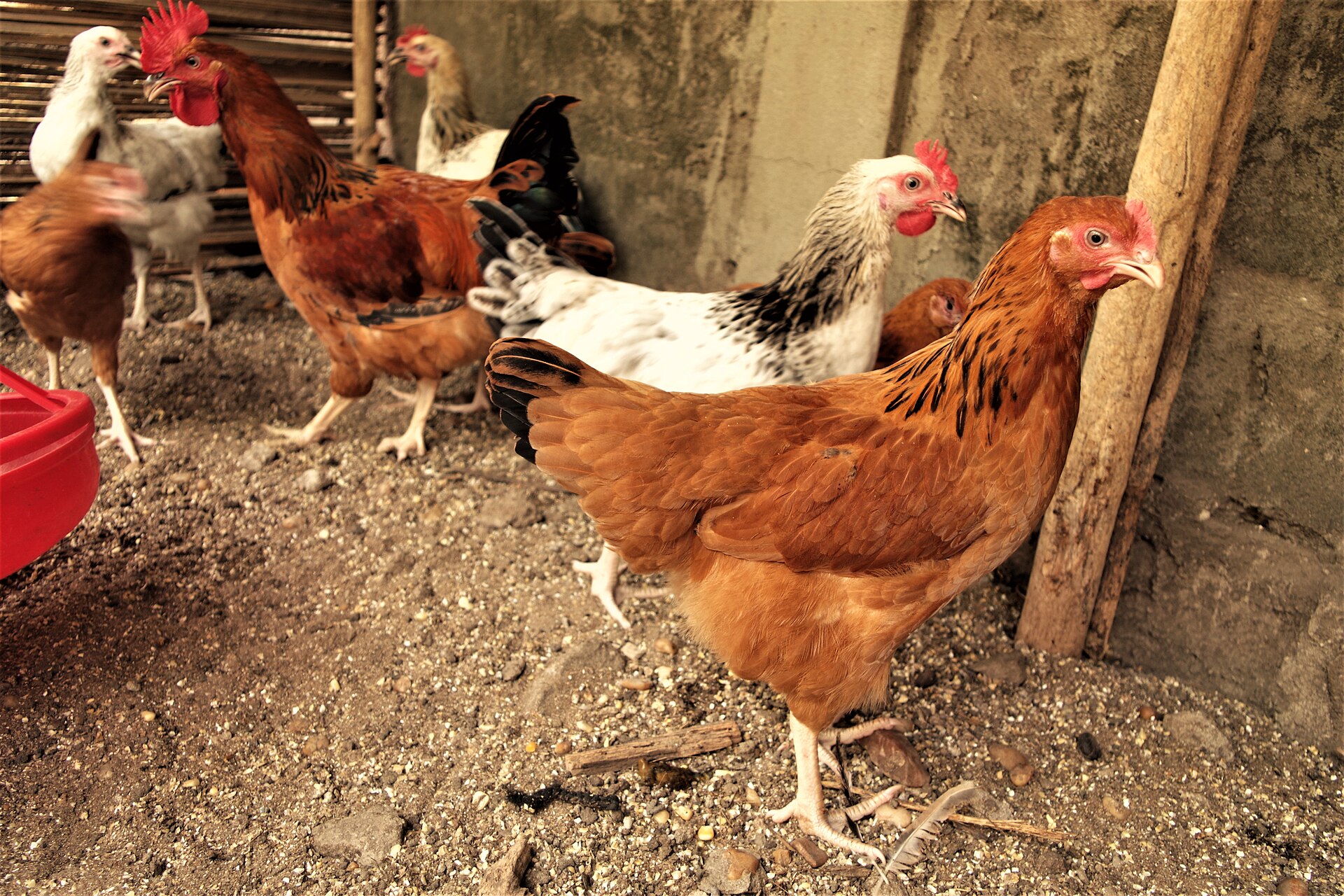
- Des Poulets Goliath de couleur beige dans un poulailler au Bénin.jpg — Adoscam, CC BY-SA 4.0
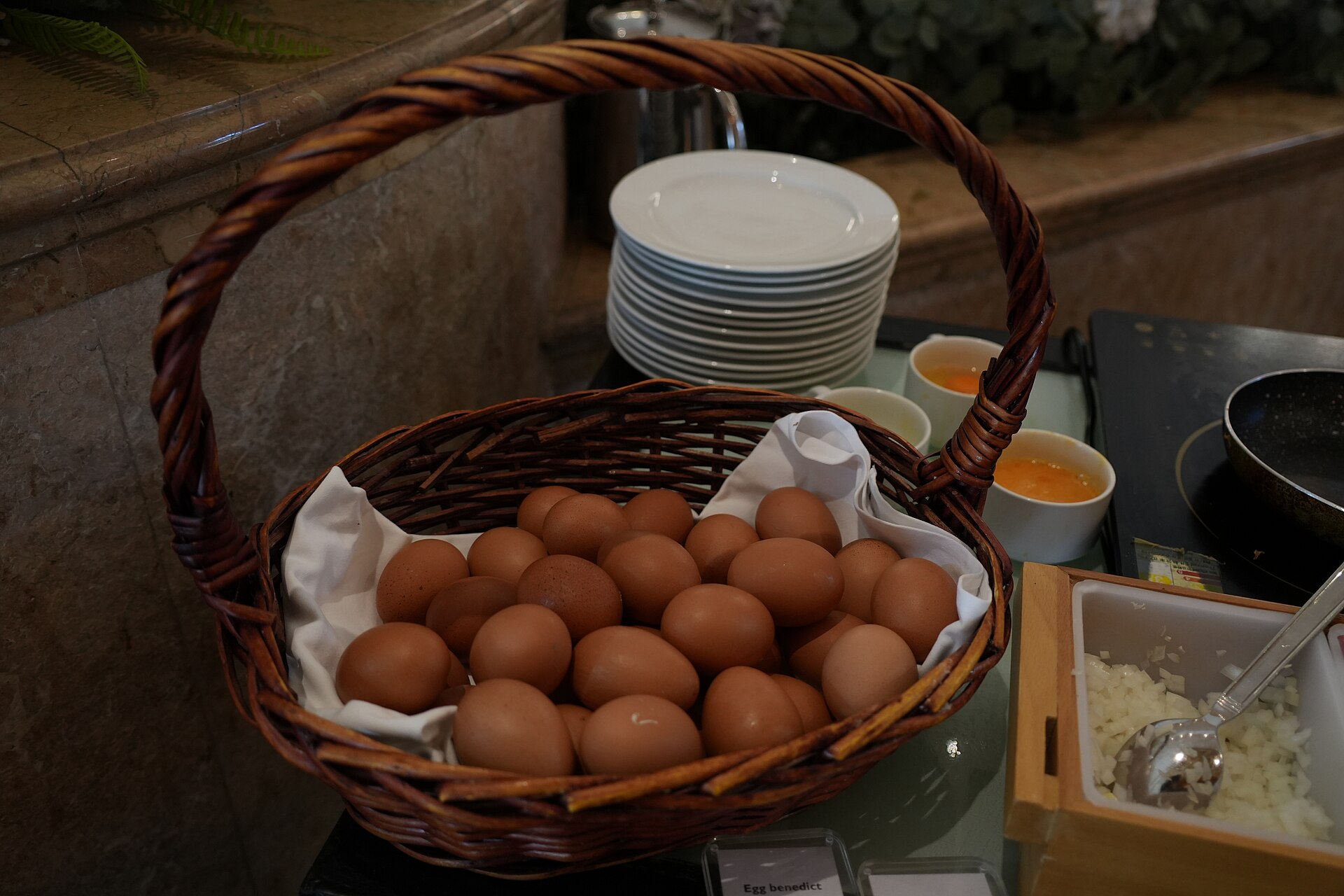
- A Basket of Brown Eggs at Gold Coast Prime Rib.jpg — Peachyeung316, CC BY-SA 4.0
Images via Wikimedia Commons.
Marcus Reid
Founder & Editor, OffGridSage
Marcus founded OffGridSage to bring practical off-grid knowledge together in one place. Guides are built from official and expert sources (NREL, the EPA, the USDA and university extension services), manufacturer documentation and reader feedback, and are updated when information changes.