Seed Saving Guide: Build a Garden That Renews Itself Every Year
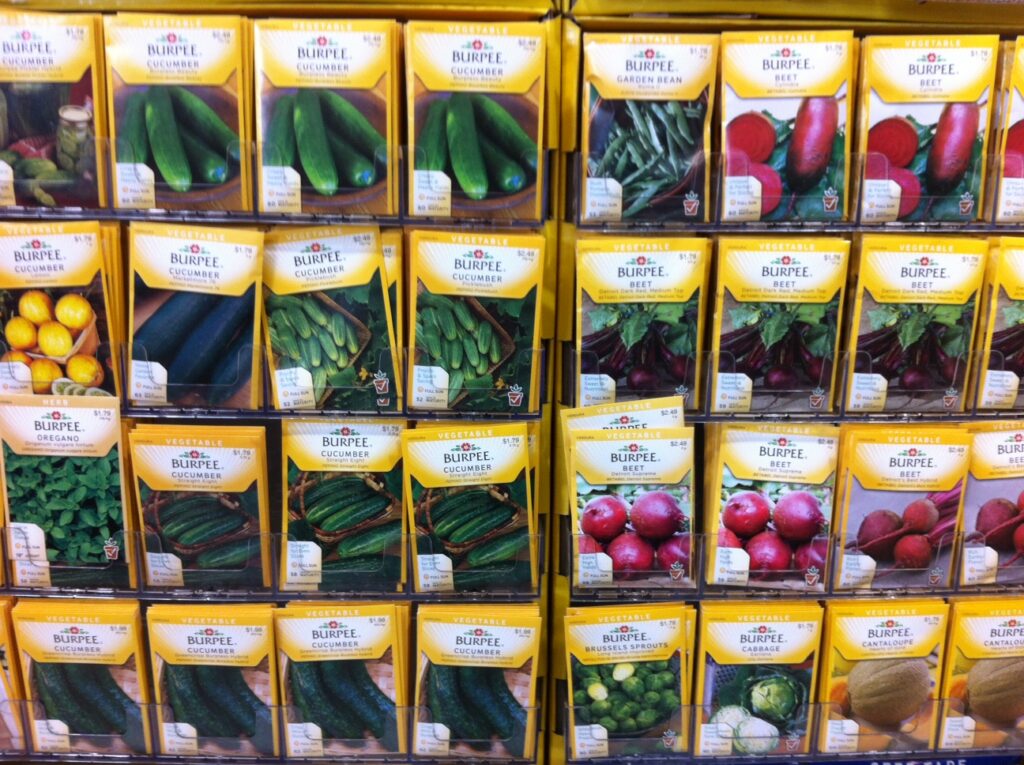
Buying seed every spring is a dependency. It is a cheap dependency in good years, but it is still a supply chain, and off-grid self-sufficiency means shortening supply chains wherever it is practical.
Seed saving is also how varieties adapt to your specific ground. After five or six generations of selection, a tomato saved on your land is measurably better suited to your soil, day length, and disease pressure than anything shipped from a catalog.
The One Rule That Determines Everything: Open-Pollinated Only
You can only save useful seed from open-pollinated varieties, which includes all heirlooms.
Hybrid seed, labeled F1, is the cross of two distinct parent lines. Plants grown from saved F1 seed segregate in the next generation into an unpredictable mix, usually inferior to both parents. Seed from a Big Beef F1 tomato will grow, but what it grows is a gamble.
Check the packet before you plant. If it says F1 or hybrid, enjoy the crop but buy that one again. If it says open-pollinated, heirloom, or names a traditional variety, you can save it indefinitely.
Start With Self-Pollinating Crops
Plants that pollinate themselves before the flower opens rarely cross with neighbors, which means you can save pure seed without isolating anything. These are the beginner crops:
- Beans — essentially foolproof
- Peas — equally reliable
- Tomatoes — nearly self-pollinating; 10 feet between varieties is ample
- Lettuce — self-pollinating, though it must bolt fully
- Peppers — mostly self-pollinating but bees will cross them; 50 feet or bagging recommended
Save these for two or three seasons before attempting anything harder. They build the habits without punishing mistakes.
Crops That Cross Readily
These need real isolation distance or hand-pollination, because wind and insects move pollen much further than gardeners expect:
- Squash, pumpkins, zucchini — within the same species they cross freely. Isolation of 1/2 mile, or hand-pollinate and tape the flower closed.
- Corn — wind-pollinated over long distances. Needs 1/2 to 1 mile isolation, plus a minimum population of 100–200 plants to avoid inbreeding depression. Corn is genuinely difficult for small gardens.
- Brassicas (cabbage, kale, broccoli, Brussels sprouts, turnip) — all one species, all cross with each other. 1/2 mile isolation.
- Cucumbers and melons — insect-pollinated, cross within species. 1/2 mile or hand-pollination.
- Beets and chard — same species, wind-pollinated, need substantial isolation.
The practical workaround for small properties is to grow only one variety of each crossing species per season, and rotate which variety you grow for seed year to year.
Biennials Need Two Seasons
Carrots, beets, onions, cabbage, parsnips, and most root crops do not flower in their first year. They grow a root, overwinter, and flower in year two. To save their seed you must overwinter the root — either in place under heavy mulch in mild climates, or lifted into a root cellar and replanted in spring.
Select the best roots for replanting, not the leftovers. The whole point is choosing the plants you want more of.
Wet Processing: Tomatoes and Cucumbers
Tomato seeds are coated in a gel that inhibits germination. Fermentation removes it and kills several seed-borne diseases at the same time.
- Squeeze seeds and gel into a jar. Add an equal volume of water.
- Leave uncovered at room temperature for 2 to 4 days. Stir daily.
- A white mold layer forms on top. This is correct and expected.
- Viable seed sinks; pulp and dead seed float. Pour off the floating material.
- Rinse the sunk seed in a fine sieve until completely clean.
- Spread on a ceramic plate or coffee filter — never paper towel, the seeds bond to it permanently — and dry out of direct sun for 1 to 2 weeks.
Do not ferment longer than 4 days. Seeds begin germinating in the jar and are then worthless.
Dry Processing: Beans, Peas, Lettuce, Brassicas
Leave the pods on the plant until they are brown, dry, and rattle. This is well past edible stage, so dedicate specific plants to seed and stop harvesting from them.
If frost threatens before pods dry, pull the whole plant and hang it upside down under cover to finish. Then thresh by hand or by putting pods in a pillowcase and walking on it, and winnow by pouring between containers in a light breeze so chaff blows away.
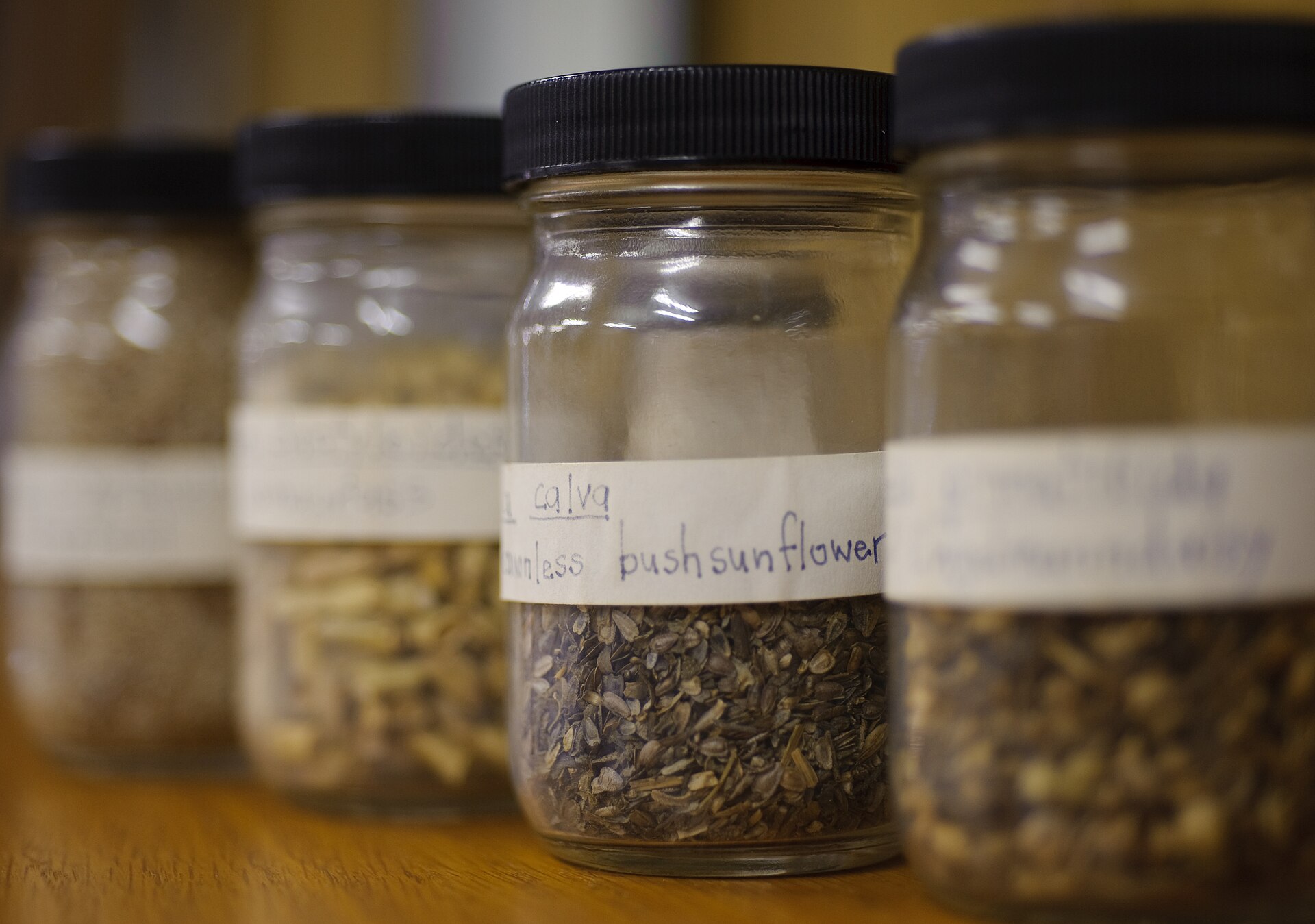
Drying Is Where Most Seed Is Ruined
Seed must reach roughly 8% moisture before storage. Seed that feels dry usually is not.
Test it: a properly dried bean shatters rather than dents when struck with a hammer. A properly dried corn kernel cannot be dented with a fingernail.
Dry at room temperature with good airflow, out of direct sunlight. Never use an oven or dehydrator above 95°F — heat kills the embryo. Two weeks of air drying is typical; humid climates need longer, or a jar with silica gel packets.
The storage rule of thumb: every 1% reduction in seed moisture roughly doubles storage life, and every 10°F reduction in temperature does the same.
Storage and Realistic Viability
Store in airtight glass jars in the coolest, darkest, driest place available. A root cellar at 45–50°F is excellent. A freezer is better still but only for seed that is genuinely dry — residual moisture forms ice crystals that rupture cells.
Label every container with variety and year. You will not remember.
Typical viability when stored properly:
- 1–2 years: onion, leek, parsnip, corn
- 3–4 years: beans, peas, carrot, pepper, spinach
- 4–6 years: tomato, brassicas, beet, chard
- 5–8 years: cucumber, squash, melon, lettuce, radish
Test germination before you rely on old seed. Roll 10 seeds in a damp paper towel, bag it, keep it warm, and count sprouts after a week. Seven or more is fine. Below five, sow thickly or replace the lot.
Select for What You Want More Of
This is the part that turns seed saving from thrift into plant breeding. Save seed from the best plants, never from the last sad fruit of the season.
Select for earliness, disease resistance, flavor, storage life, and vigor. Save from at least 5 to 10 plants of self-pollinating crops and 20 or more of cross-pollinating ones to maintain genetic diversity. Saving from a single plant year after year produces inbreeding depression: weak, low-yielding offspring.
After several generations you will have a landrace — a variety genuinely adapted to your ground. That is the real payoff, and it cannot be bought.
Final Thoughts
Start with beans and tomatoes this season. Dedicate two or three plants of each to seed, let them go well past eating stage, process them properly, and dry them longer than feels necessary. Within three years you will be buying only the crops that are genuinely hard to save.
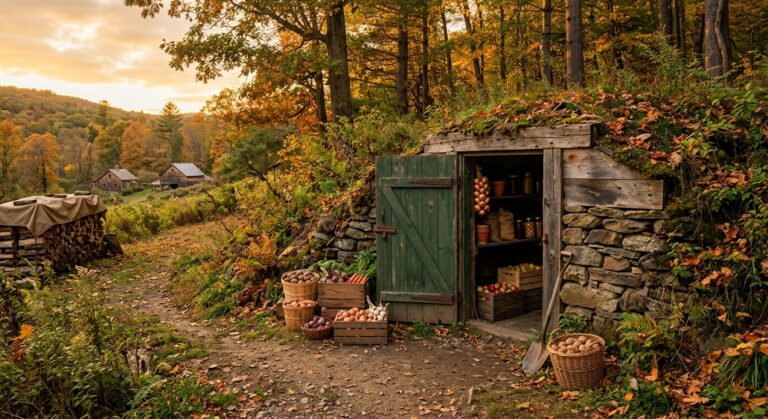
Store your seed alongside your food harvest — see our guide on building a root cellar for the ideal conditions.
- Packets of Vegetable Seeds at Menards.jpg — ParentingPatch, CC BY-SA 3.0
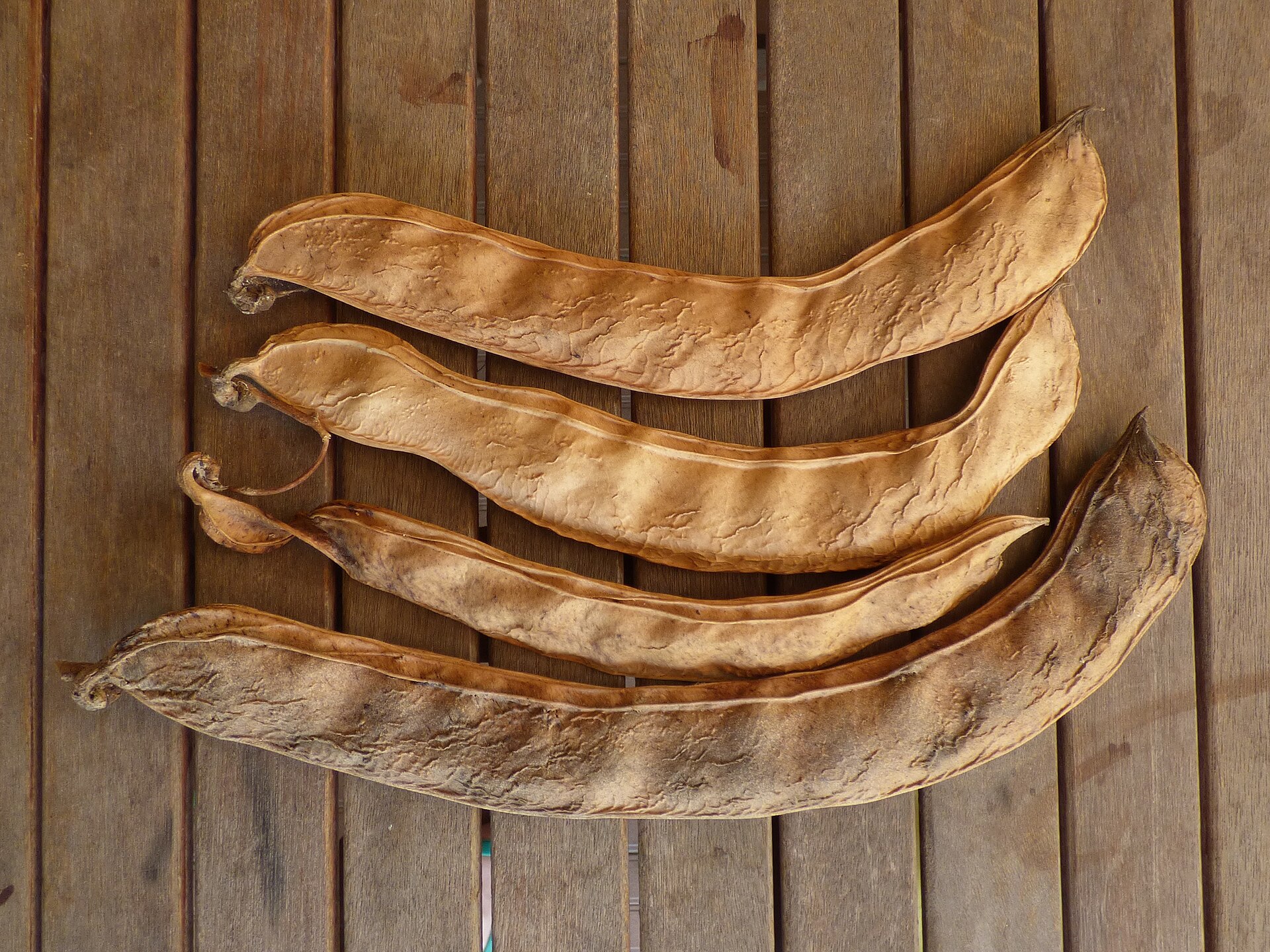
- Sword bean (Canavalia gladiata) pods Singapore.jpg — David E Mead, CC0
- Cleaned seeds of Englemann Daisy in jars at the NRCS PMC in Knox City, Texas. (24480359784).jpg — USDA NRCS Texas, Public domain
Images via Wikimedia Commons.
Marcus Reid
Founder & Editor, OffGridSage
Marcus founded OffGridSage to bring practical off-grid knowledge together in one place. Guides are built from official and expert sources (NREL, the EPA, the USDA and university extension services), manufacturer documentation and reader feedback, and are updated when information changes.