How to Build a 3-Month Food Supply on Any Budget
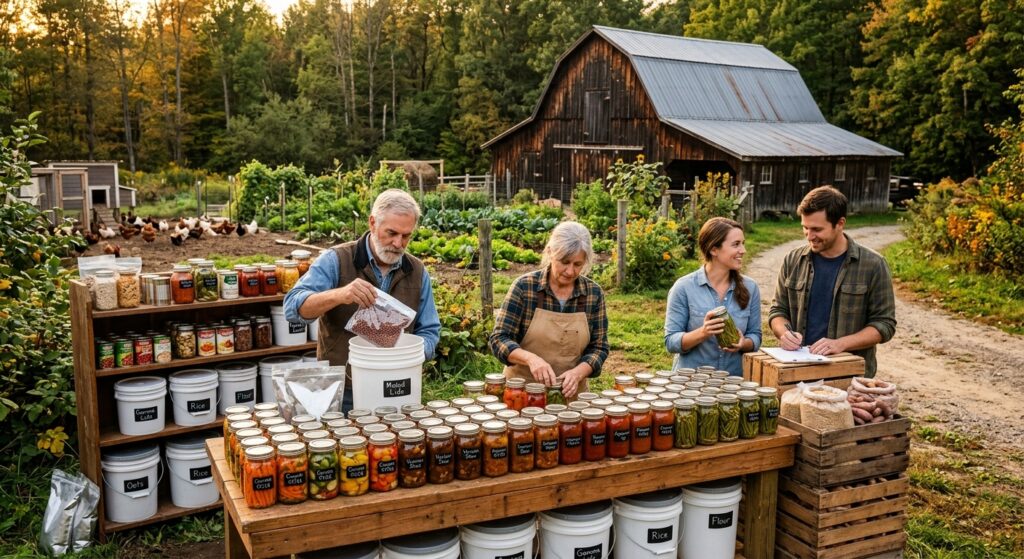
Self-reliance starts with preparedness, and few things matter more than food security. A three-month food supply isn’t about doomsday prepping; it’s a practical buffer against job loss, supply chain disruptions, natural disasters, extended power outages or simply a bad flu season. This guide walks through how to build a 3-month food supply on a budget, step by step: calculating your needs, planning a menu, shopping smart, storing food properly, covering water and essentials, and choosing specific products with approximate prices.
Why a 3-Month Food Supply Matters
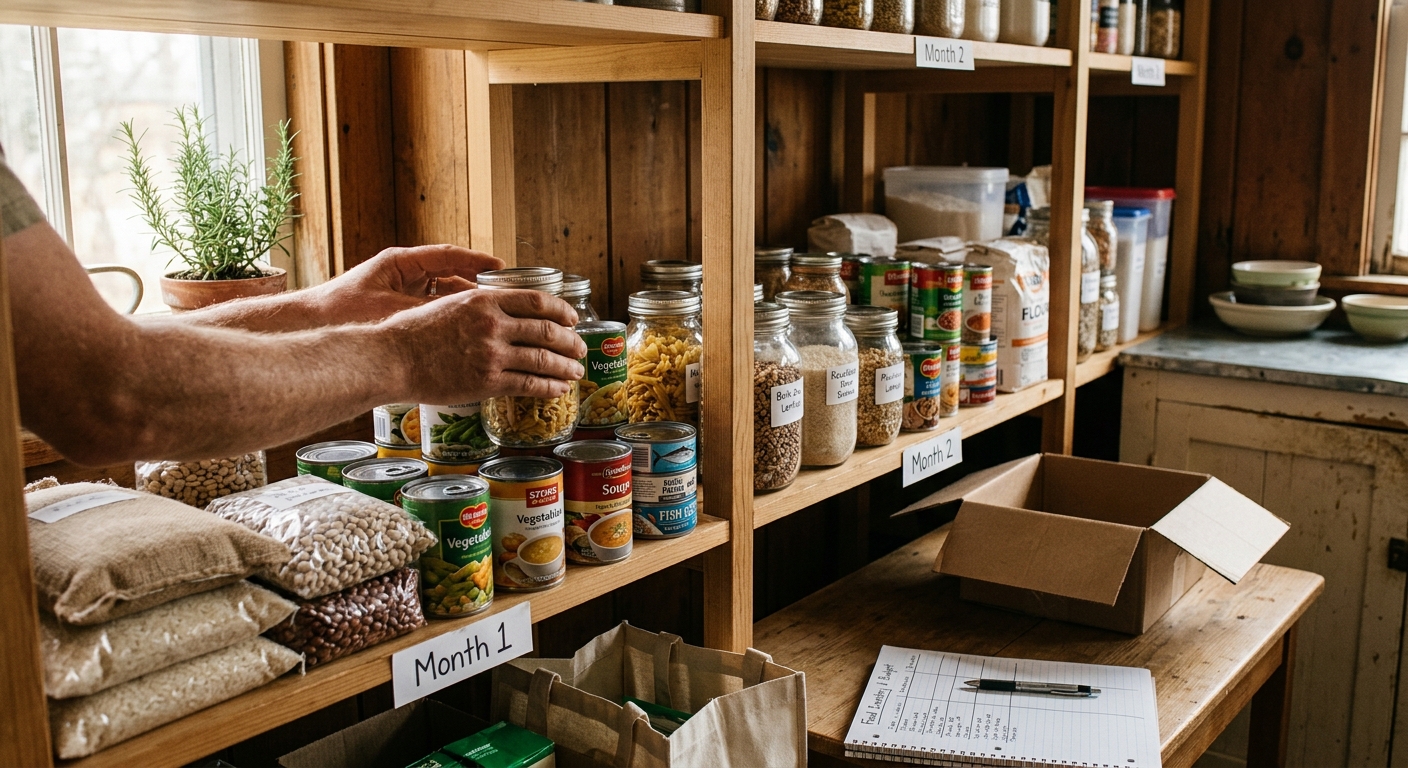
The modern supply chain is efficient but fragile. A major trucking strike, a widespread cyberattack or a regional storm can empty grocery shelves quickly, especially once panic buying starts. If a winter storm cuts off your road for a week, a well-stocked pantry means you simply carry on with your normal routine.
Personal emergencies matter just as much. A sudden job loss, a medical emergency or a costly home repair can squeeze your budget without warning. A three-month food reserve acts as a financial shock absorber: you can redirect money to urgent needs without sacrificing nutrition, and make decisions calmly instead of out of desperation.
A good food supply is also about quality of life. It isn’t just calories; it should include balanced nutrition and a few comfort foods so you can keep feeding your household well even when fresh options are limited. Food is one pillar of a broader preparedness plan that also covers water, power and medical supplies.
How to Build a 3-Month Food Supply on a Budget: Step-by-Step
Building a three-month supply on a budget is entirely achievable with a methodical, gradual approach.
Step 1: Assess Your Needs and Current Inventory
Before buying anything, figure out what you need and what you already have. This is where many people go wrong, buying indiscriminately.
Calculate calories. A general guideline is 2,000–2,500 calories per adult per day, depending on age, activity and sex; children typically need around 1,200–1,800. Multiply daily needs by 90 days. For example, two adults at 2,200 kcal/day need roughly 396,000 calories for 90 days (2,200 × 2 × 90).
Inventory what you have. Go through your pantry, freezer and any existing storage, noting quantities, expiration dates and how often you actually use each item. Account for dietary restrictions, allergies (for example gluten-free or nut-free) and preferences: there’s no point storing food your household won’t eat. A simple spreadsheet (Google Sheets works well) with columns for Item, Quantity, Expires, Location and Estimated Servings makes this easy. It often reveals surprises, such as a surplus of canned green beans but too little of a staple like long-grain white rice.
Step 2: Plan Your Menu and Shopping List
Build a realistic menu around versatile, calorie-dense, long-shelf-life foods your household enjoys. Simple, comforting meals work best. A sample rotation:
- Breakfast: Oatmeal with dried fruit, pancakes from mix, or rehydrated eggs.
- Lunch: Lentil soup, canned tuna or chicken on crackers or pilot bread, or leftovers.
- Dinner: Rice and beans with canned tomatoes, pasta with marinara and canned meat, or stews made with dehydrated vegetables and canned beef.
Cover all the basics: protein (dried beans, lentils, canned meats, powdered milk), carbohydrates (rice, pasta, oats, flour), fats (cooking oil, peanut butter) and vitamins (canned fruits and vegetables, dried fruit). Don’t forget salt, sugar, spices and morale items like coffee, tea and chocolate.
Then scale up. If you eat rice and beans three times a week, you’ll need about 36 servings of each over three months. Convert servings into bulk quantities: a 50 lb bag of white rice (for example, Great Value Long Grain White Rice from Walmart) holds roughly 110–125 cups of dry rice, or about three times that cooked, enough to cover that rotation for a household of two with plenty to spare.
Step 3: Set a Budget and Shop Smart
Instead of buying everything at once, spread purchases out. Aim to buy one extra week’s worth of groceries each month, or set aside a fixed amount, such as $100–$200 a month, for long-term storage items. A simple habit: buy one extra of whatever non-perishable staple is on sale each week.
- Buy in bulk. Warehouse clubs like Costco and Sam’s Club offer good prices on rice, beans, flour and canned goods; Kirkland Signature products are often good value. Online bulk retailers such as Azure Standard (organic and natural foods) and local co-ops are also worth checking.
- Use sales and coupons. Check weekly flyers and stock up when items hit their lowest price. Canned goods are often deeply discounted around holidays.
- Choose store brands. Generic products are often comparable to name brands at a significantly lower price; store-brand canned vegetables can cost far less than national brands.
- Compare price per unit. A larger container may cost more upfront but less per ounce or serving. Use your phone’s calculator to compare.
- Buy produce in season. If you can or dehydrate food at home, buying produce when it’s cheapest and most abundant saves significantly.
Treat this as a marathon, not a sprint: building over several months is much easier on your wallet than one massive shopping trip.
Step 4: Store Food Properly
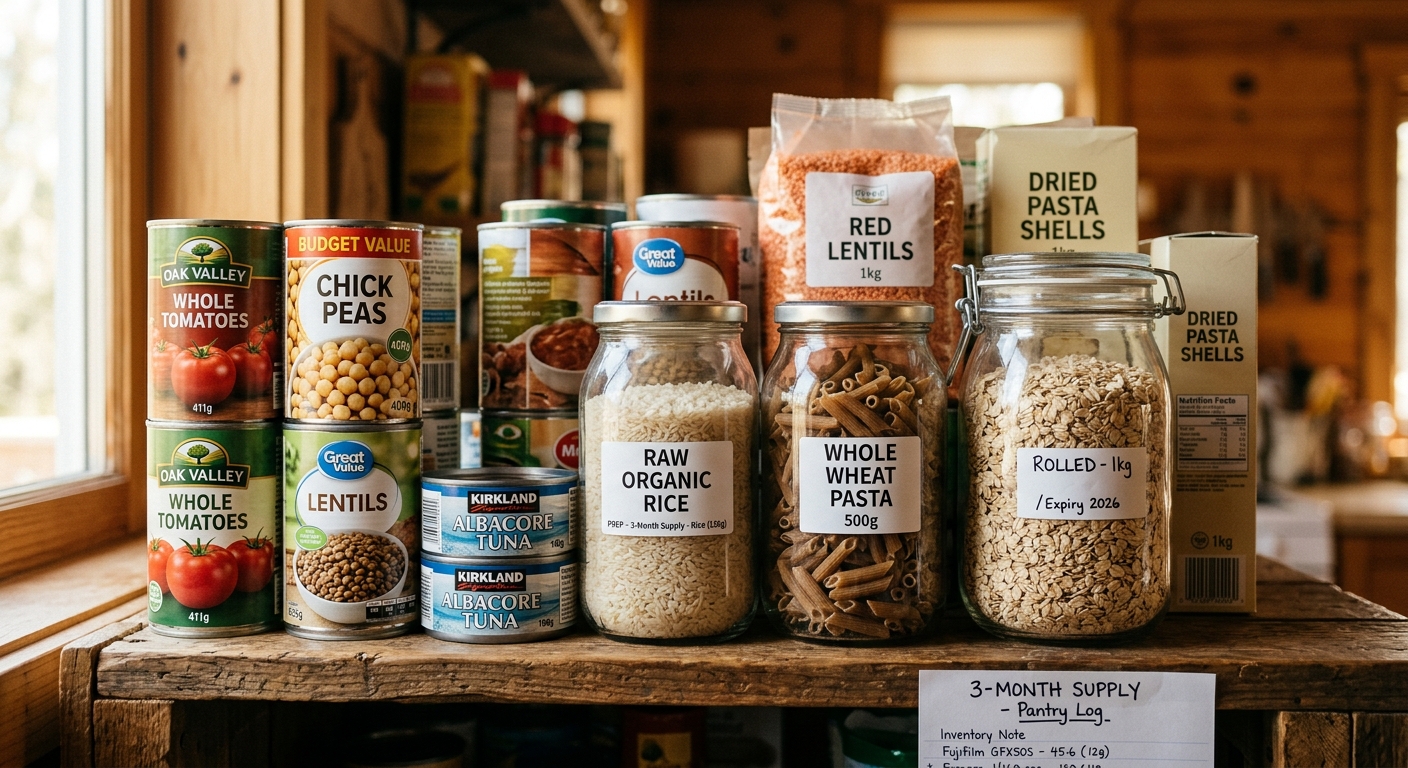
Proper storage prevents spoilage and pests; weevils in a poorly stored bag of flour are a classic lesson. The key principles are cool, dark and dry.
- Rotation (FIFO): Practice “First In, First Out.” Put new purchases behind older ones, label everything with purchase and expiration dates, and work stored food into your everyday meals so it keeps cycling.
- Containers:
- Mylar bags: Excellent oxygen and moisture barriers for grains, legumes, flour, sugar and dried produce. Wallaby Mylar Bags are a popular choice, in 1-gallon sizes for smaller quantities and 5-gallon for bulk items like rice. A pack of 50 × 1-gallon bags with oxygen absorbers costs around $30–$40.
- Oxygen absorbers: Remove oxygen from sealed Mylar bags, preventing oxidation and inhibiting insects and microbial spoilage. Match the size to the bag (for example 300cc for 1-gallon, 2000cc for 5-gallon). Oxy-Sorb 2000cc absorbers cost about $20–$25 for a 50-pack.
- Food-grade buckets: Place sealed Mylar bags inside food-grade 5-gallon buckets to protect against rodents, pests and crushing. Bakeries and restaurants sometimes give away clean used buckets; new ones cost around $5–$10 at hardware stores (for example, the Leaktite 5-Gallon White Food Grade Bucket at Lowe’s for about $6). Gamma seal lids such as the Gamma2 Vittles Vault Lid (around $10–$15) make opening and resealing much easier.
- Airtight containers: For pasta, crackers or cereal you’ll use quickly, sturdy airtight containers (for example, Rubbermaid Brilliance) or glass jars work well.
- Storage environment: Choose a cool (ideally below 75°F/24°C), dark, dry place such as a basement, cool closet or dedicated storage room. Avoid attics, garages and anywhere with big temperature swings or humidity, which drastically shorten shelf life.
- Pest control: Beyond Mylar and buckets, bay leaves on pantry shelves and sticky traps for pantry pests help. Clean and inspect your storage regularly.
Step 5: Cover Water and Essential Non-Food Items
Food is useless without water. Plan for at least 1 gallon per person per day for drinking and basic hygiene. For two adults over three months, that’s 180 gallons. Store it in containers such as the Reliance Aqua-Tainer 7-Gallon Rigid Water Container (around $20 each) or 55-gallon food-grade water barrels (around $80–$100), and have a way to purify more.
- Water filters: A gravity filter such as the Berkey Light Water Filter System (around $250–$300) uses two Black Berkey Purification Elements rated for up to 6,000 gallons before replacement. For a portable backup, the Sawyer Squeeze Water Filter (around $30–$40) is a popular choice.
- Hygiene: Soap (bar soap lasts longer than liquid), shampoo, toothpaste, toilet paper, feminine hygiene products and hand sanitizer. Dr. Bronner’s Pure-Castile Liquid Soap is versatile enough for body, hair and dishes.
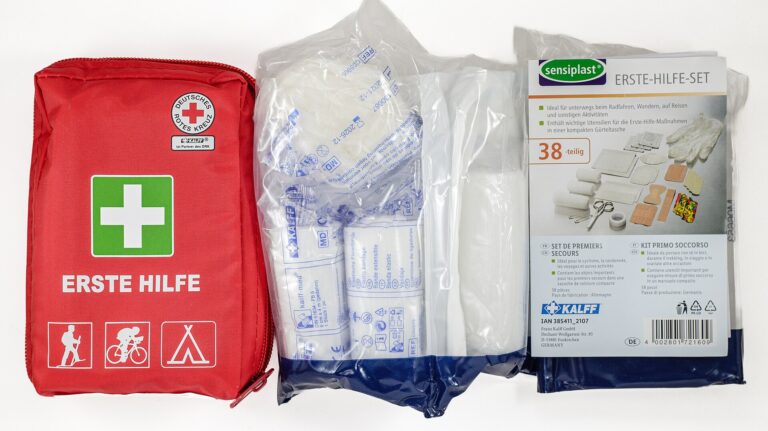
- First aid: A comprehensive kit including prescription medications, pain relievers (for example, Tylenol Extra Strength), bandages, antiseptic wipes and any personal medical supplies.
- Cooking fuel: You need a way to cook. Options include a propane camp stove (for example, the Camp Chef Explorer Double Burner Stove, around $150, with extra 20 lb propane tanks at around $50 each), a wood-burning stove or a solar oven. Remember that dried beans and rice need both water and fuel to cook.
- Lighting: Headlamps (for example, the Black Diamond Storm 400, around $50), flashlights and spare batteries.
Recommended Foods and Supplies with Approximate Prices
Focus on calorie-dense, nutritious staples with long shelf lives that you can buy in bulk. Prices are approximate and fluctuate; shelf lives assume cool, dark, dry storage.
Grains (Carbohydrates and Calories)
- White rice: The cornerstone of long-term storage. Great Value Long Grain White Rice, 50 lb bag, around $25–$30. Shelf life: 20–30 years in Mylar with oxygen absorbers.
- Oats: For breakfast, baking or thickening. Quaker Old Fashioned Oats, 10 lb, around $10–$15. Shelf life: 1–2 years in original packaging, 5+ years in Mylar.
- Pasta: Barilla spaghetti or penne, 16 oz box, around $1.50–$2. Shelf life: 1–2 years. Buy several shapes for variety.
- Flour: King Arthur Unbleached All-Purpose Flour, 25 lb, around $18–$25. Shelf life: 6–12 months, extended to 5+ years in Mylar.
Legumes (Protein and Fiber)
- Dried beans: Black, pinto or kidney. Goya Dry Black Beans, 25 lb, around $20–$25. Shelf life: 20–30 years in Mylar with oxygen absorbers.
- Lentils: Cook faster than beans; great for soups. Palouse Brand Green Lentils, 25 lb (online), around $30–$35. Shelf life: 20–30 years.
Fats and Oils
- Coconut oil: Very stable. Nutiva Organic Virgin Coconut Oil, 54 oz, around $15–$20. Shelf life: 2–3 years unopened.
- Olive oil: Kirkland Signature Organic Extra Virgin Olive Oil, 2L, around $20–$25. Shelf life: 1–2 years unopened; store in dark glass or metal.
- Peanut butter: High in calories and protein. Jif Creamy, 2 × 40 oz jars, around $12–$15. Shelf life: 1–2 years.
Canned Goods
- Canned chicken and tuna: Kirkland Signature Canned Chicken Breast, 6 × 12.5 oz cans, around $15–$20; Bumble Bee Chunk Light Tuna, 12 × 5 oz cans, around $12–$15. Shelf life: 3–5 years.
- Canned vegetables: Del Monte Green Beans, 14.5 oz, around $1.20–$1.50; Muir Glen Organic Diced Tomatoes, 28 oz, around $2.50–$3. Shelf life: 2–3 years.
- Canned fruit: Dole Sliced Peaches, 15 oz, around $1.50–$2. Shelf life: 1–2 years.
Sweeteners and Seasonings
- Salt: Morton Iodized Salt, 26 oz, around $2. Shelf life: indefinite.
- Sugar: Domino Granulated Sugar, 25 lb, around $20–$25. Shelf life: indefinite.
- Honey: Kirkland Signature Organic Honey, 3 lb, around $10–$12. Shelf life: indefinite.
- Spices: Black pepper, garlic powder, onion powder and chili powder, around $2–$4 per bottle.
Beverages
- Powdered milk: NIDO Fortificada Dry Whole Milk, 3.52 lb can, around $20–$25. Shelf life: 1–2 years.
- Coffee and tea: Folgers Classic Roast Instant Coffee, 8 oz, around $7–$10, or tea bags. Shelf life: 1–2 years.
Storage Supplies
- Wallaby Mylar Bags (50 × 1-gallon, with oxygen absorbers): around $30–$40
- Oxy-Sorb 2000cc oxygen absorbers (50-pack): around $20–$25
- Leaktite 5-gallon food-grade buckets: around $6 each
- Gamma2 Vittles Vault gamma seal lids: around $10–$15 each
Shop at warehouse clubs (Costco, Sam’s Club), Walmart, discount grocers (Aldi, Lidl) and online retailers (Amazon, Azure Standard, local co-ops), and always compare unit prices.
Comparison Table: Key Storage Foods
| Food Item | Shelf Life (Properly Stored) | Approx. Cost | Storage Method | Pros | Cons |
|---|---|---|---|---|---|
| White rice (e.g., Great Value) | 20–30 years | ~$0.05–$0.08 per serving | Mylar bags + O2 absorbers + 5-gal bucket | Very cheap, calorie-dense, versatile, very long shelf life, easy to cook | Needs water and fuel to cook, low in protein alone, bland without additions |
| Dried black beans (e.g., Goya) | 20–30 years | ~$0.08–$0.12 per serving | Mylar bags + O2 absorbers + 5-gal bucket | High protein and fiber, very long shelf life, cheap, versatile | Long soaking and cooking time, more fuel, can cause digestive issues if not prepared properly |
| Canned chicken breast (e.g., Kirkland Signature) | 3–5 years | ~$2.50–$3.35 per 12.5 oz can | Original cans, cool dark shelf | Ready to eat, no cooking or water needed, good protein | Higher cost per serving, heavy and bulky, shorter shelf life |
Common Mistakes to Avoid
- Buying food you don’t normally eat. Stored food should match your household’s real diet so it gets rotated and eaten.
- Skipping the inventory. Without one, you end up with surpluses of some items and gaps in staples.
- Not rotating stock. Without FIFO and clear labels, food quietly expires at the back of the shelf.
- Storing in the wrong place. Attics, garages and humid spaces drastically shorten shelf life.
- Forgetting water and cooking fuel. Rice and beans are only useful if you can cook them.
- Trying to buy everything at once. A gradual, sale-driven approach is far easier on your budget.
Conclusion
A three-month food supply is built one step at a time: calculate your calorie needs, take stock of what you have, plan simple meals your household enjoys, and add to your reserve gradually with bulk buys and sales. Store staples like rice and beans in Mylar with oxygen absorbers inside food-grade buckets, keep everything cool, dark and dry, and rotate it into everyday cooking. Add water, a filter, cooking fuel, lighting and first-aid supplies, and you’ll have a resilient, affordable buffer against whatever the next few months bring.
Marcus Reid
Founder & Editor, OffGridSage
Marcus founded OffGridSage to bring practical off-grid knowledge together in one place. Guides are built from official and expert sources (NREL, the EPA, the USDA and university extension services), manufacturer documentation and reader feedback, and are updated when information changes.