Greywater Recycling for Off-Grid Homes: A Practical Guide
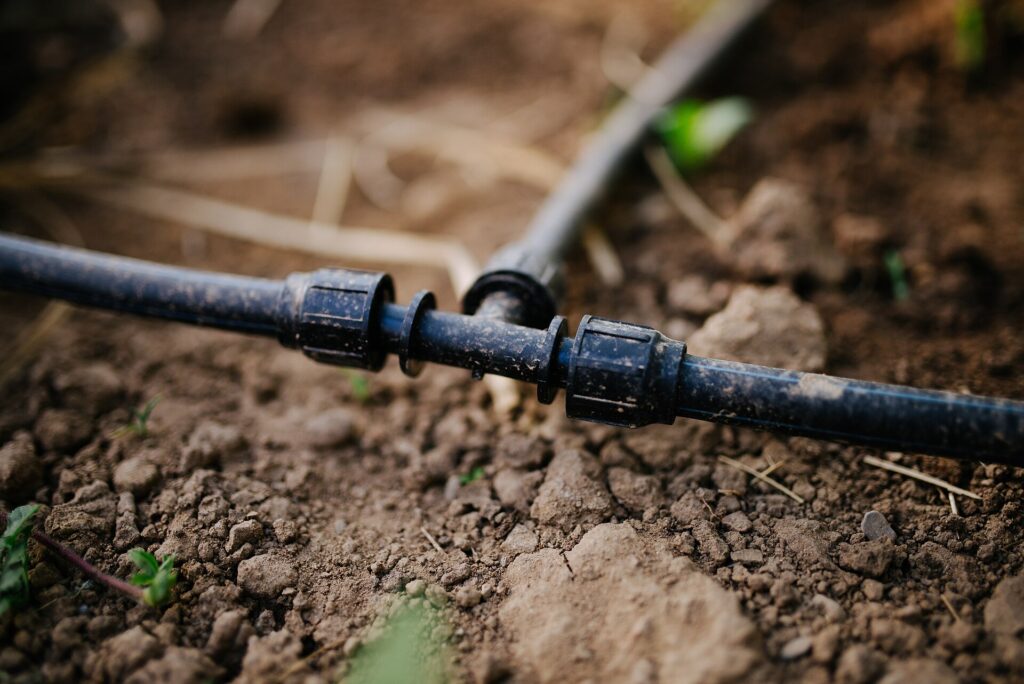
Roughly 60% of household water leaves as greywater — water from showers, bathroom sinks, and laundry. It is not clean, but it is not sewage either. Off-grid, where every gallon is hauled, pumped, or caught from a roof, sending that water down a drain is throwing away the most expensive resource on the property.
A well-designed greywater system cuts total water consumption by 30–50% and irrigates fruit trees and ornamentals for free. A badly designed one creates a smelly health hazard. The difference comes down to a few rules.
Greywater Versus Blackwater
Greywater comes from bathroom sinks, showers, bathtubs, and washing machines. It contains soap, hair, skin cells, lint, and low levels of bacteria.
Blackwater comes from toilets and, in nearly every jurisdiction, kitchen sinks. Kitchen water is classified as blackwater because food particles and grease feed rapid bacterial growth and attract vermin. Do not include the kitchen sink or dishwasher in a simple greywater system.
The Three Rules That Keep Greywater Safe
- Never store it. Greywater turns septic within 24 hours as bacteria consume the organic matter, going anaerobic and producing hydrogen sulfide. Use it within a few hours or send it to the drain. No tanks, no barrels, no exceptions in simple systems.
- Keep it underground or under mulch. Greywater should never pool on the surface where people, pets, or children contact it. Mulch basins and subsurface distribution let soil biology break down pathogens and soap.
- Never spray it. No sprinklers, no misters, no drip emitters that can aerosolize. Inhaled droplets are the primary health risk, and fine emitters clog with lint within weeks anyway.
Start With Laundry-to-Landscape
This is the system I recommend to almost everyone starting out. It is the cheapest, the easiest, and in most US states it is explicitly exempt from permit requirements because it does not alter household drain plumbing.
A washing machine already has an internal pump. Instead of routing the discharge hose into the standpipe, you route it through a three-way valve to either the drain or the yard.
Components:
- A three-way brass diverter valve — lets you send water to the sewer when you use bleach or wash diapers
- 1-inch HDPE or poly tubing as the main line
- 1/2-inch tubing branches to individual plants
- Mulch basins at each outlet
- An air vent (anti-siphon loop) above the machine to prevent back-siphoning
Total cost is $150–$300 and a Saturday of work. A typical load produces 15–30 gallons, so a household doing five loads a week delivers 75–150 gallons to the landscape weekly.
Keep the run under about 50 feet and limit elevation gain to a few feet. The machine pump is not powerful and pushing uphill shortens its life.
Build Proper Mulch Basins
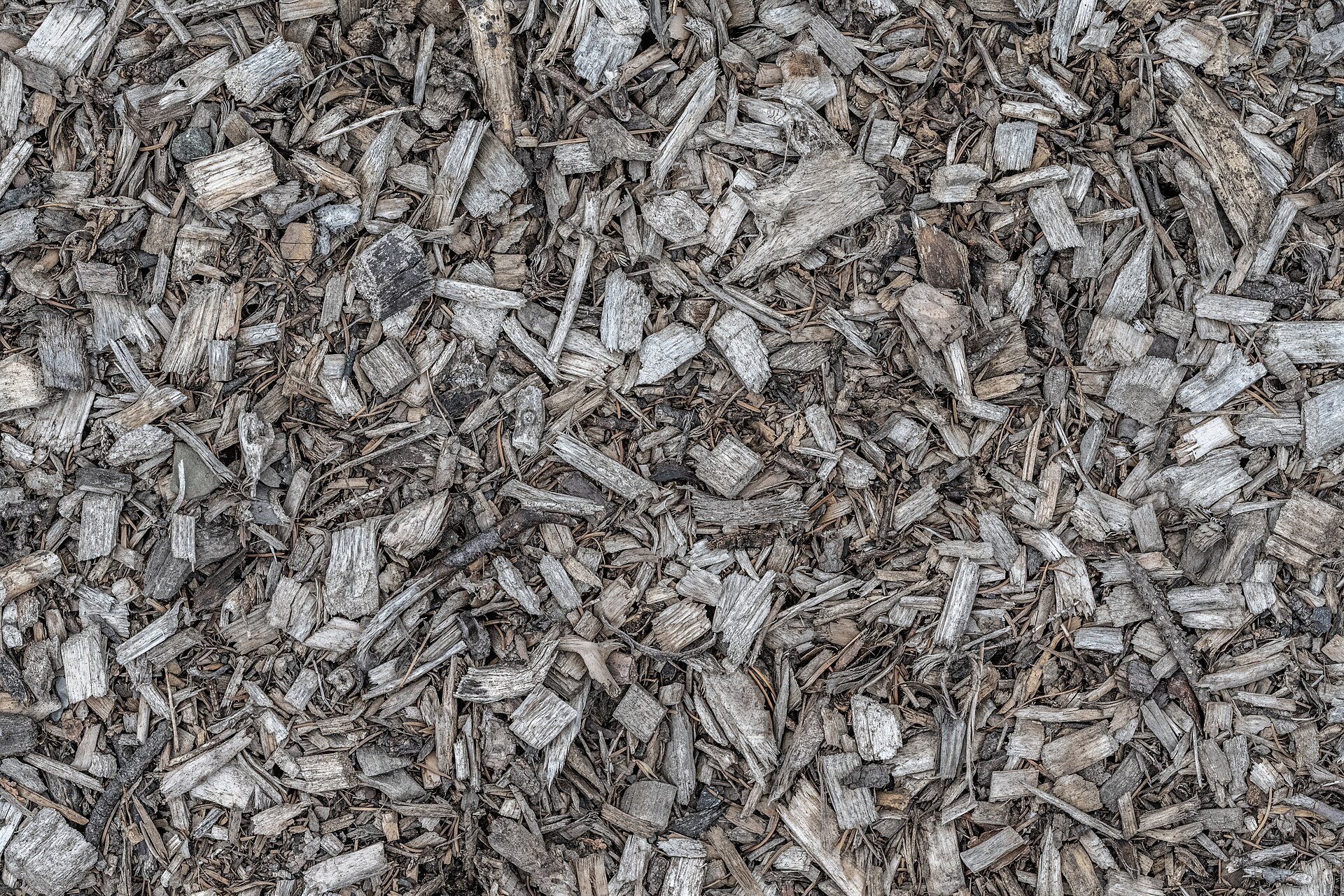
The mulch basin is where the treatment actually happens. Each outlet ends in a shallow depression, roughly 18 inches across and 8–12 inches deep, filled with coarse wood chips.
Water discharges into the chips, spreads laterally, and percolates into soil. Soil bacteria and fungi consume the soap and organic matter. Nothing pools, nothing smells, and nothing is exposed.
Place basins at the drip line of trees and shrubs, not against the trunk. Top up wood chips annually as they decompose. Each mature fruit tree can absorb 20–40 gallons per week in summer.
Shower and Sink Systems
Bathroom greywater is higher volume than laundry but requires plumbing changes and usually a permit.
Gravity branched drain is the most reliable design. You cut into the shower or sink drain below the P-trap and run 2-inch ABS pipe sloped at 1/4 inch per foot to a series of flow splitters that divide water between outlets. No pump, no filter, no moving parts, nothing to fail. It requires enough elevation drop from fixture to landscape, which is why it works well on sloped lots and poorly on flat ones.
Pumped systems use a small surge tank and effluent pump when gravity is not available. This introduces the one thing greywater systems should avoid — storage — so the pump must be on a float switch that empties the tank within a few hours, and the tank needs cleanout access.
Always retain a diverter to send water to the septic or drain when the landscape is saturated or frozen.
Soap Is the Real Constraint
Greywater irrigates plants, so the products you wash with become soil amendments. This is the part people overlook until plants start dying.
Avoid entirely:
- Sodium-based detergents — sodium destroys soil structure and is nearly impossible to flush out. Look for potassium-based formulas.
- Boron and borax — toxic to plants at very low concentrations.
- Chlorine bleach — kills soil biology.
- Fabric softeners — coat soil particles and cause water repellency.
- Anything labeled antibacterial — it does the same thing to your soil bacteria that it does to your hands.
Look for products explicitly labeled greywater-safe or plant-safe. Oasis and Ecos make widely available options. Bar soap is generally fine; liquid castile soap is excellent.
Greywater is mildly alkaline, typically pH 7.5–9. That suits most fruit trees and ornamentals but will slowly kill acid-loving plants such as blueberries, azaleas, and rhododendrons. Irrigate those with rainwater instead.
What to Irrigate and What to Avoid
Good candidates: fruit and nut trees, grape vines, berry canes (except blueberries), ornamental shrubs, established perennials, lawn areas via subsurface distribution, and windbreak trees.
Do not irrigate: root vegetables such as carrots and potatoes, leafy greens eaten raw, strawberries or any crop where the edible part touches soil, seedlings and young transplants, and anything in a container where salts accumulate with no leaching.
Tree fruit is safe because the edible portion never contacts the water and the soil pathway provides substantial treatment.
Winter and Saturated Soil
Greywater systems need a shutoff for the season. Frozen ground will not absorb water, and saturated soil turns anaerobic and smells. Keep your three-way valve accessible and switch to the conventional drain when:
- Ground is frozen or snow-covered
- Heavy rain has saturated the soil
- You are washing diapers, heavily soiled work clothes, or using bleach
- Anyone in the household has a gastrointestinal illness
Legal Reality
Regulations vary enormously. Arizona, California, New Mexico, Texas, and Oregon have clear greywater codes and generally exempt laundry-to-landscape systems under a certain daily volume. Other states have no code, which can mean it is either unregulated or prohibited depending on the inspector.
Universal requirements where codes exist: no surface ponding, no spray, no storage beyond 24 hours, no cross-connection with potable plumbing, and a diverter to the sewer or septic. Call your county health department before altering drain plumbing. Laundry-to-landscape rarely triggers permits; cutting into a shower drain usually does.
What to Expect
A household of four generating 40 gallons of laundry and shower greywater daily will irrigate six to ten mature fruit trees through a dry summer. In practice most off-grid households see total water consumption drop 30–40%, which directly reduces well pumping, hauling trips, and cistern drawdown.
Start with laundry-to-landscape, live with it for a season, and expand only if you need the extra volume.
If you are also capturing rainwater, see our guide on setting up a rainwater harvesting system to build a complete water strategy.
- Drip irrigation system installed in a garden for efficient water management during summer.jpg — Shixart1985, CC BY 2.0
- Corrugated metal pipe with drainage area.jpg — Shopstone, CC0
- Wood chip mulch, Quebec City.jpg — Wilfredor, CC0
Images via Wikimedia Commons.
Marcus Reid
Founder & Editor, OffGridSage
Marcus founded OffGridSage to bring practical off-grid knowledge together in one place. Guides are built from official and expert sources (NREL, the EPA, the USDA and university extension services), manufacturer documentation and reader feedback, and are updated when information changes.